- Curator: Ștefan Rusu
- |
- Featured Artists: Bum-Erdene Munkhzul (aka Zulaa Urchuud), Alla Rumeantzev, Mihaela Stefania, Surayo Tuychieva, Daniel Caldare

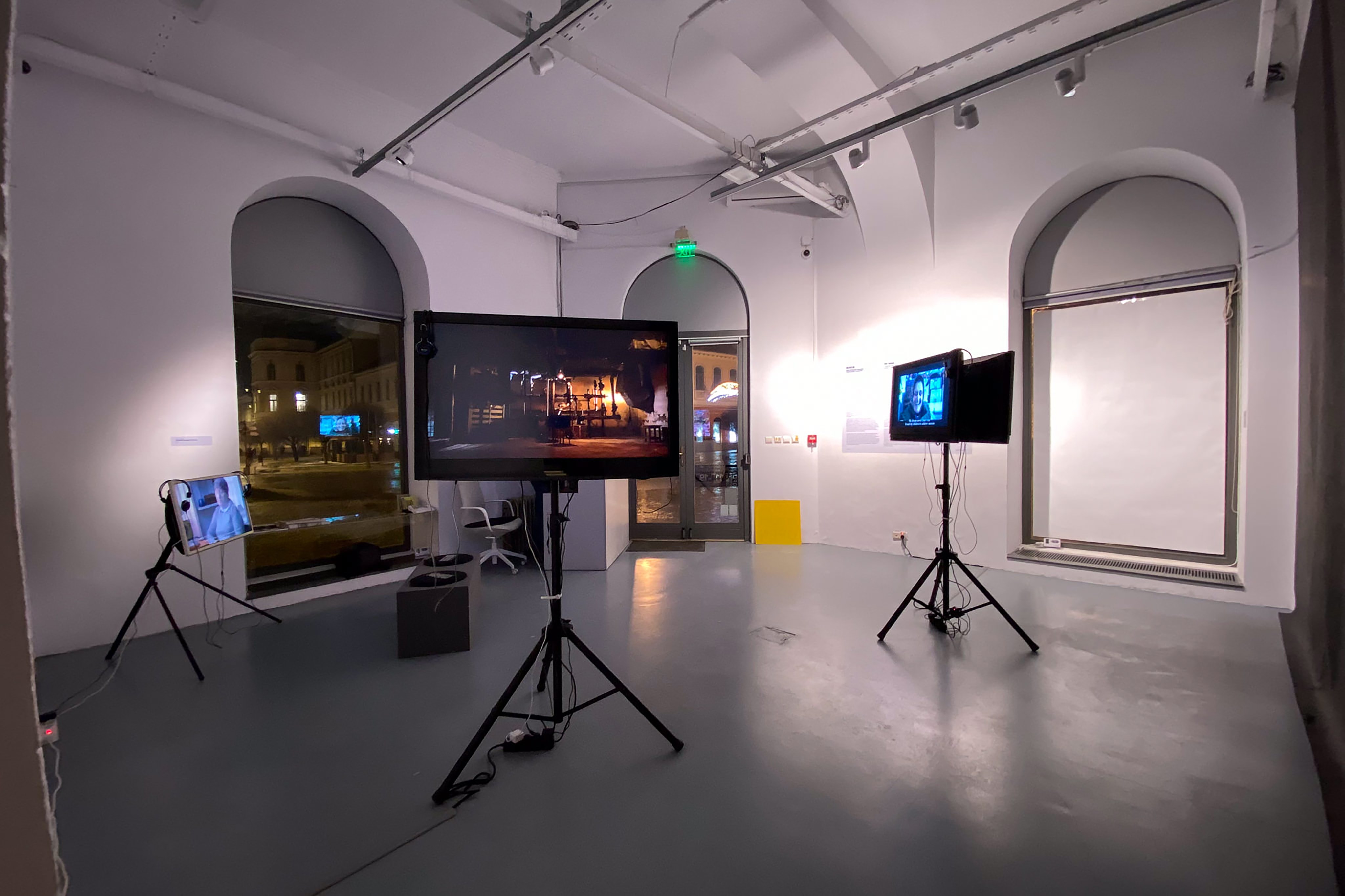
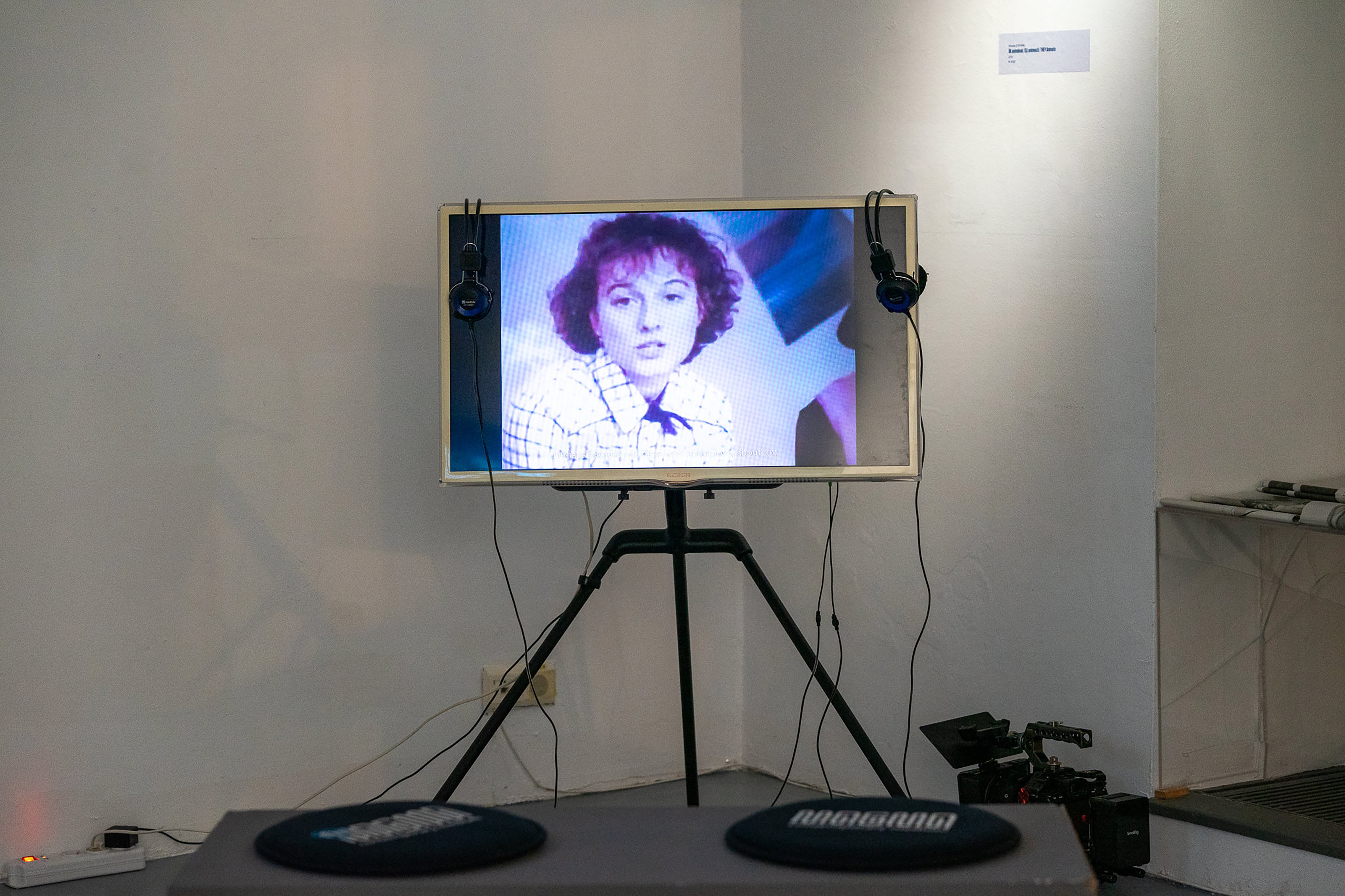
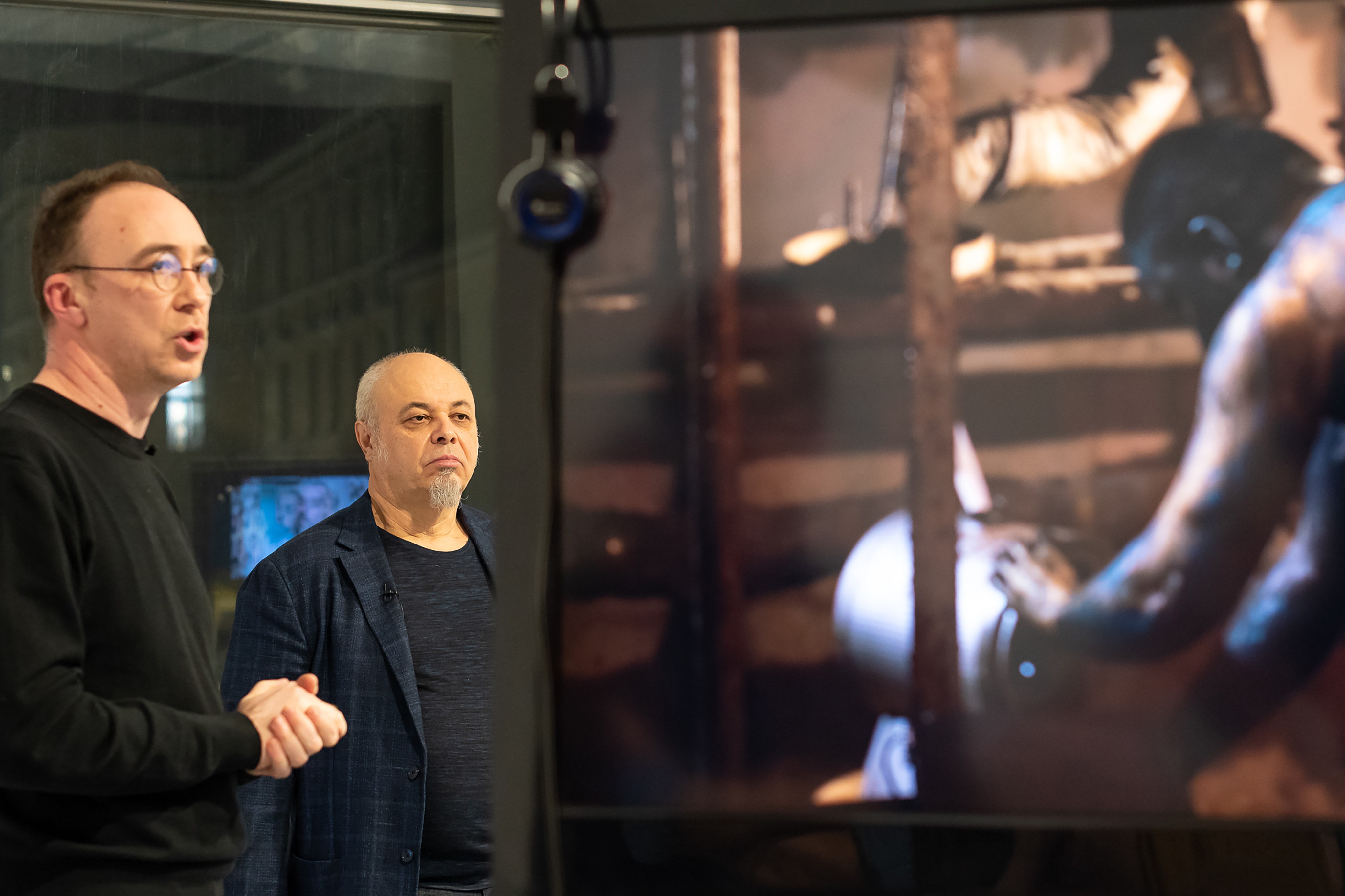
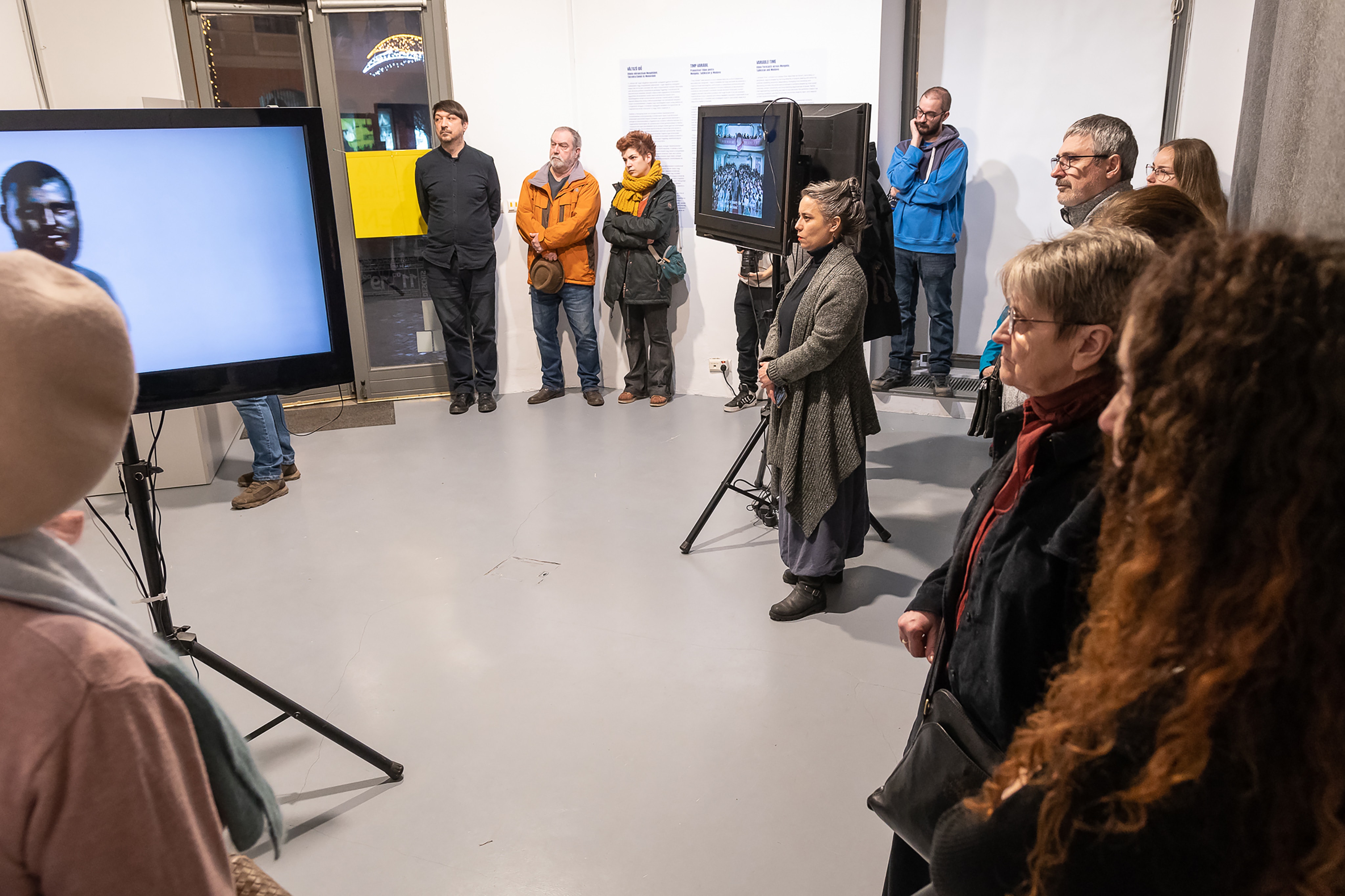
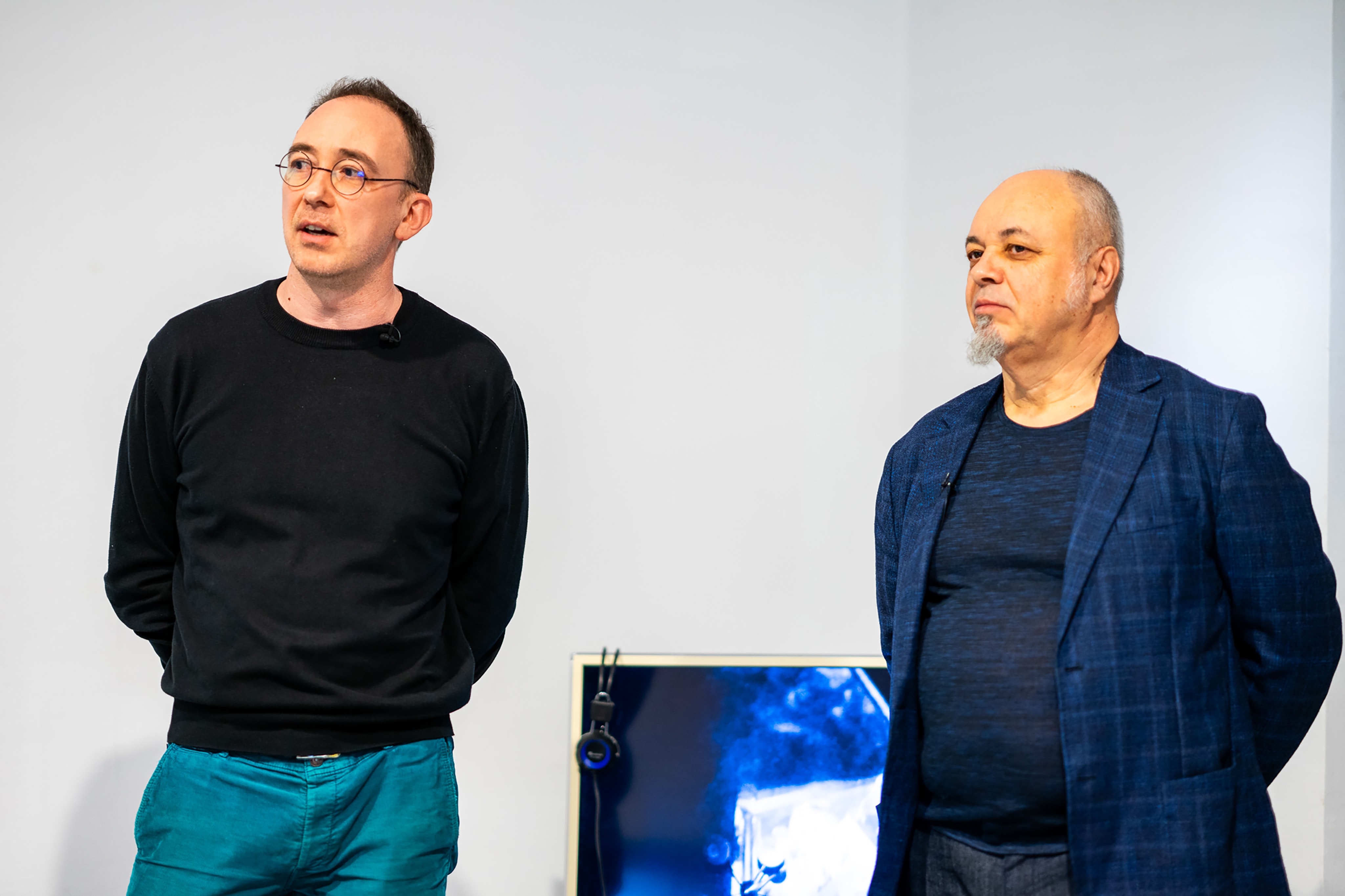
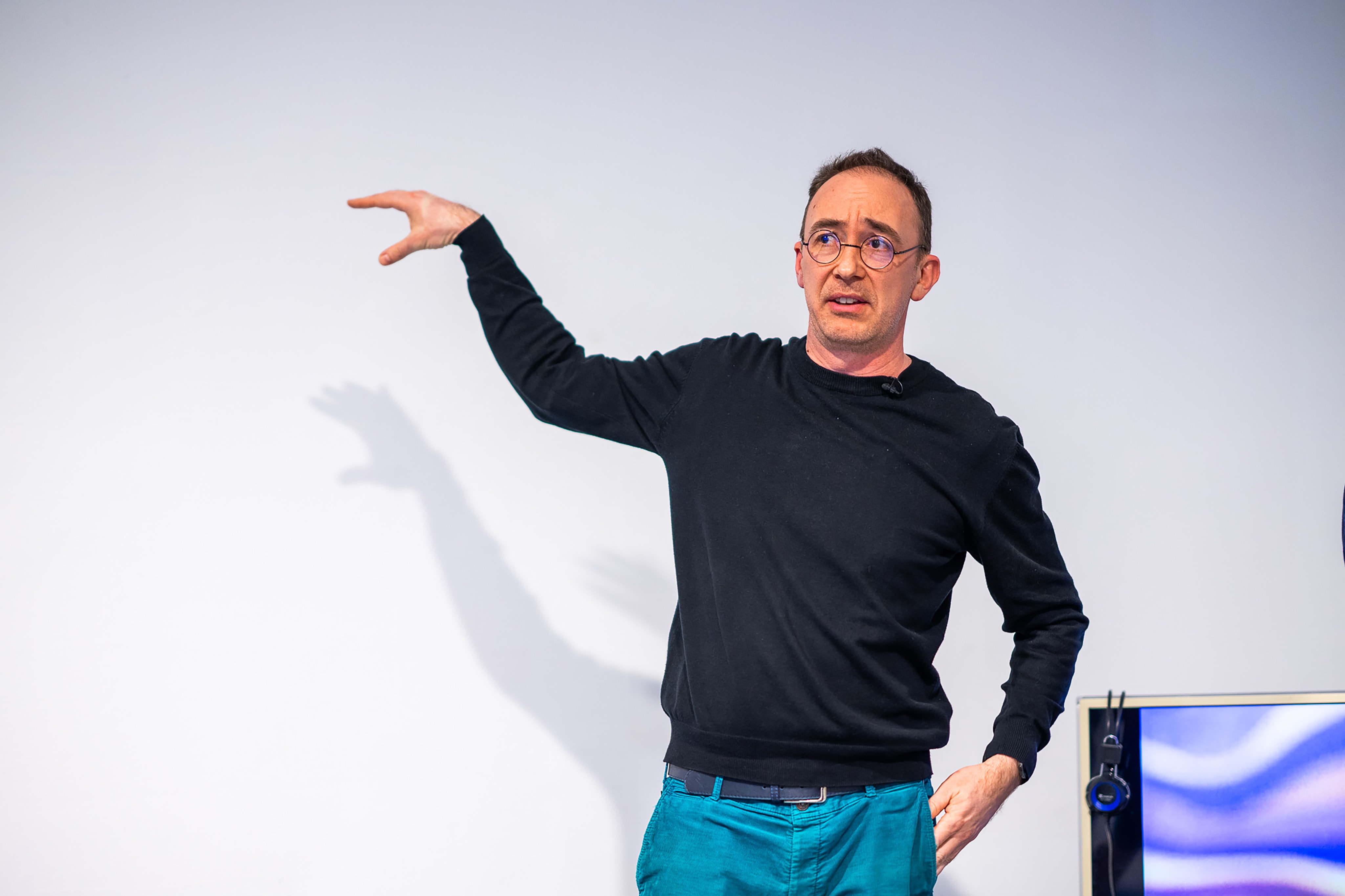
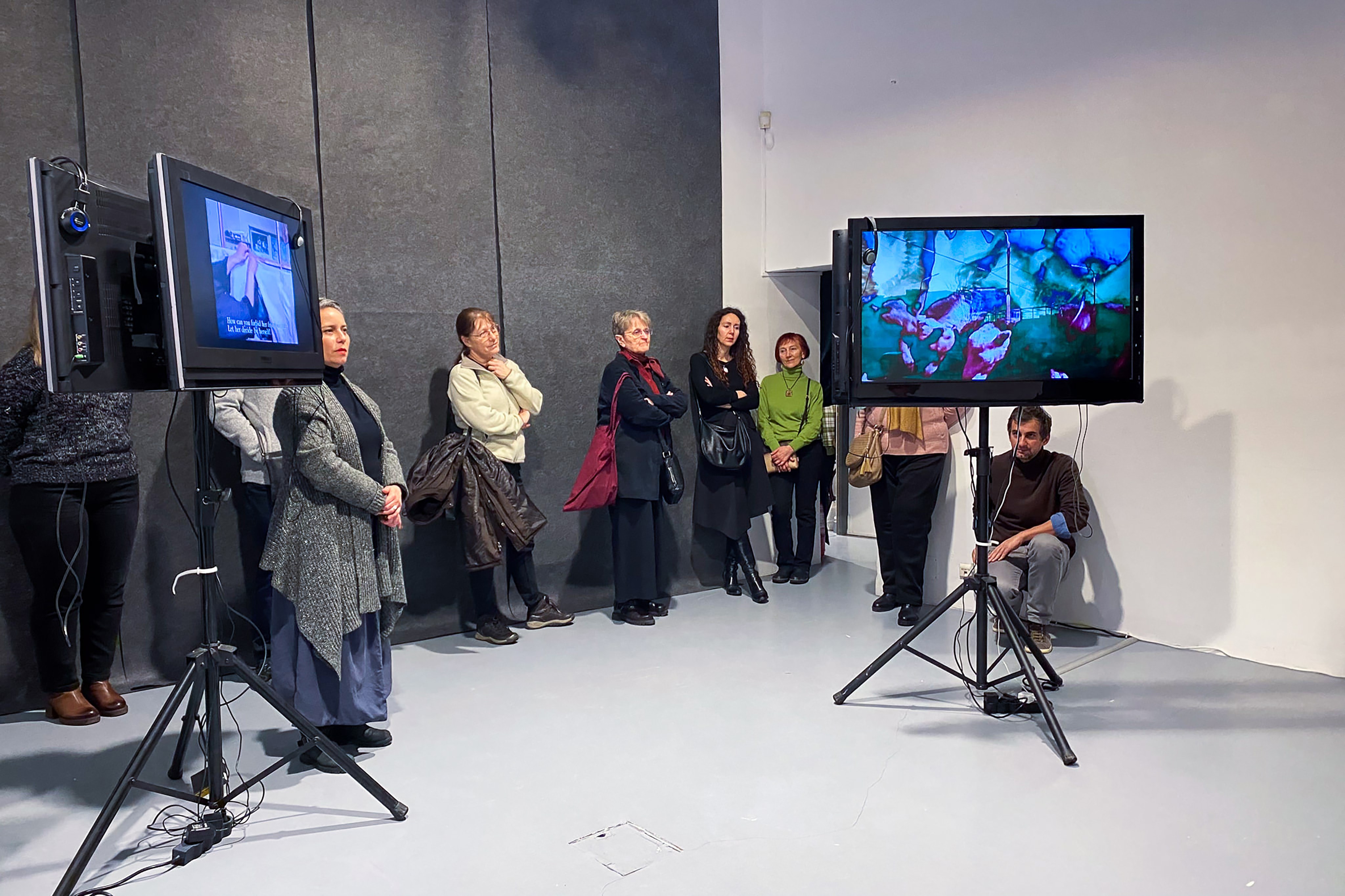
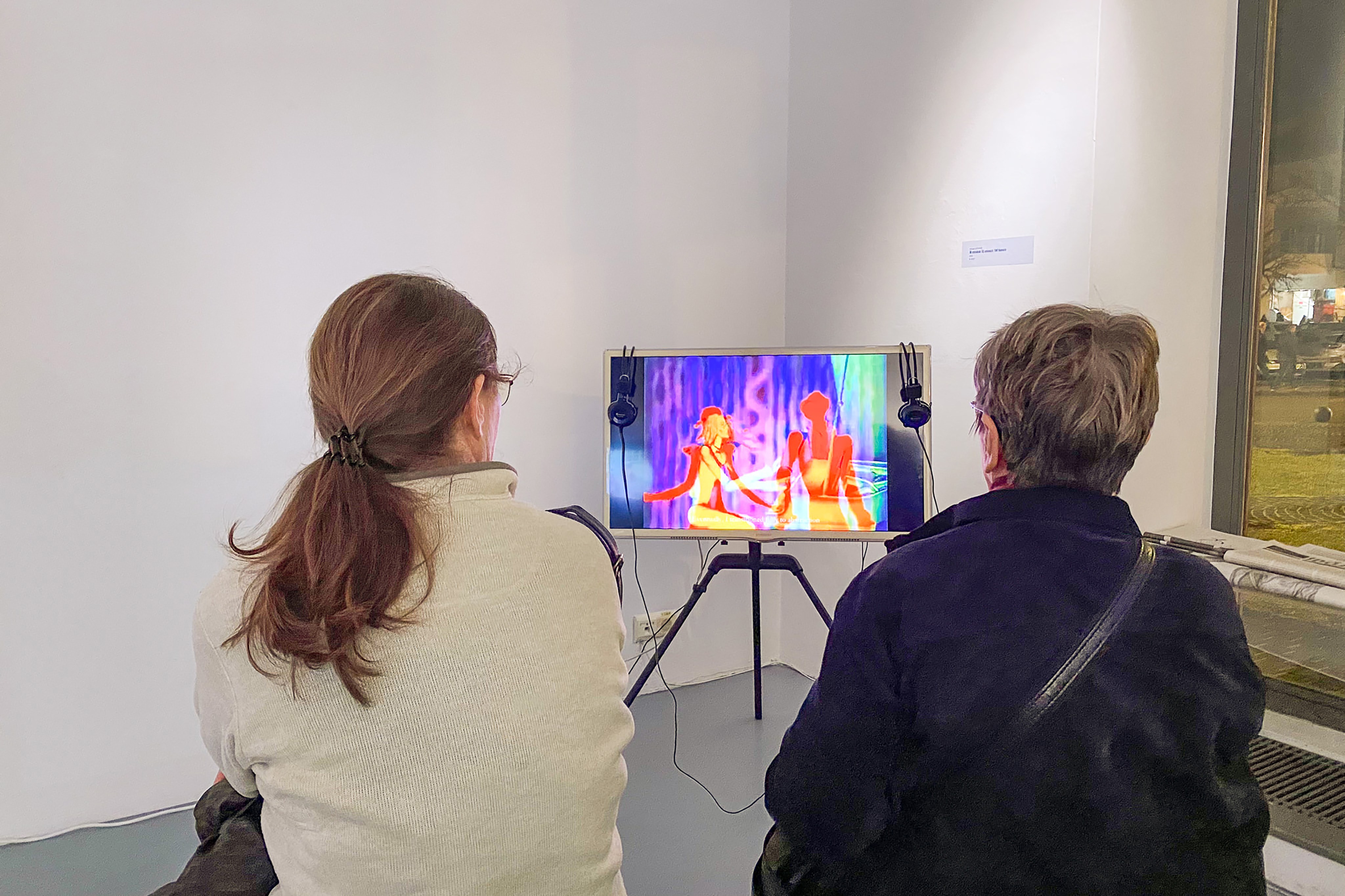
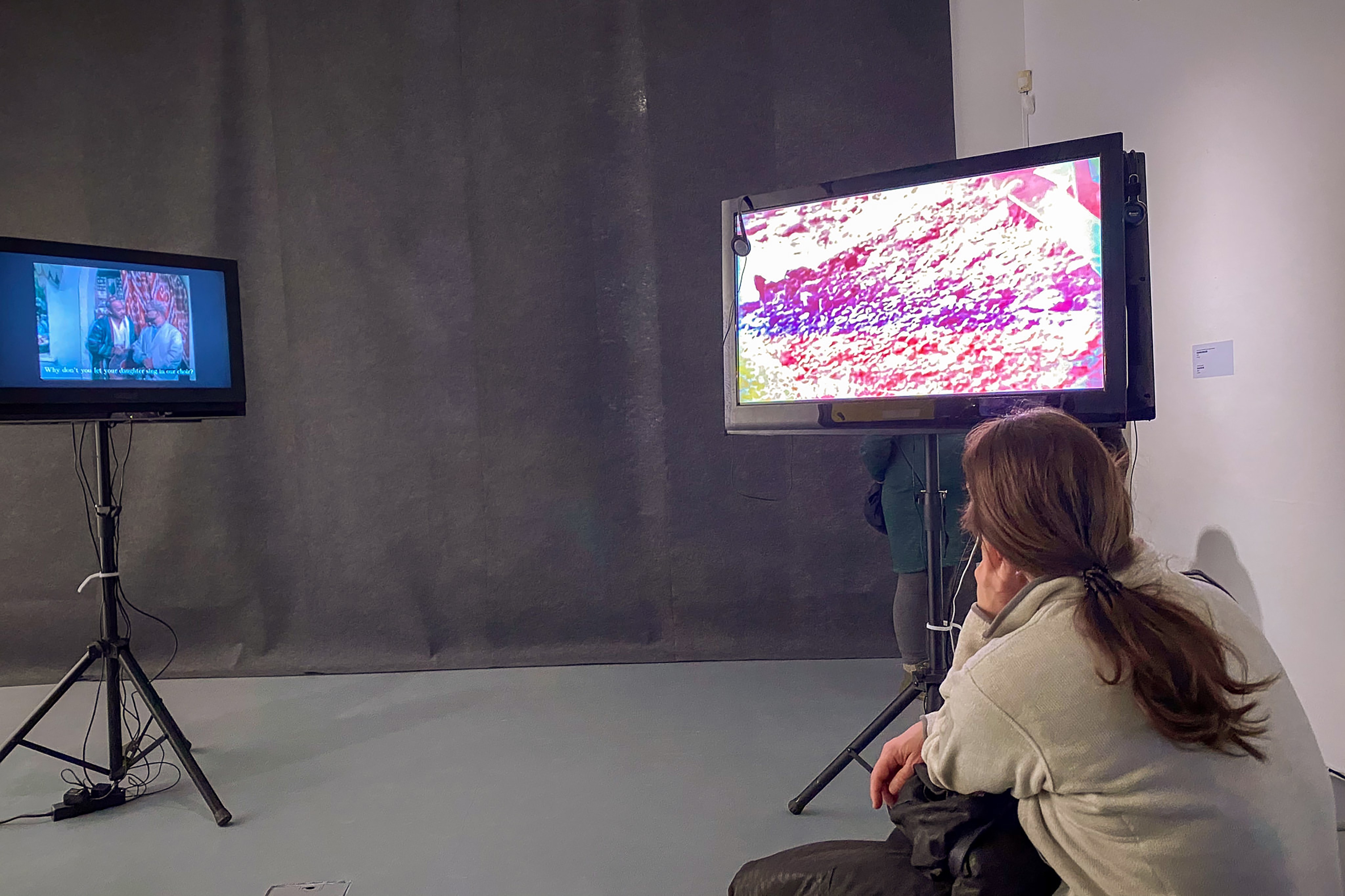
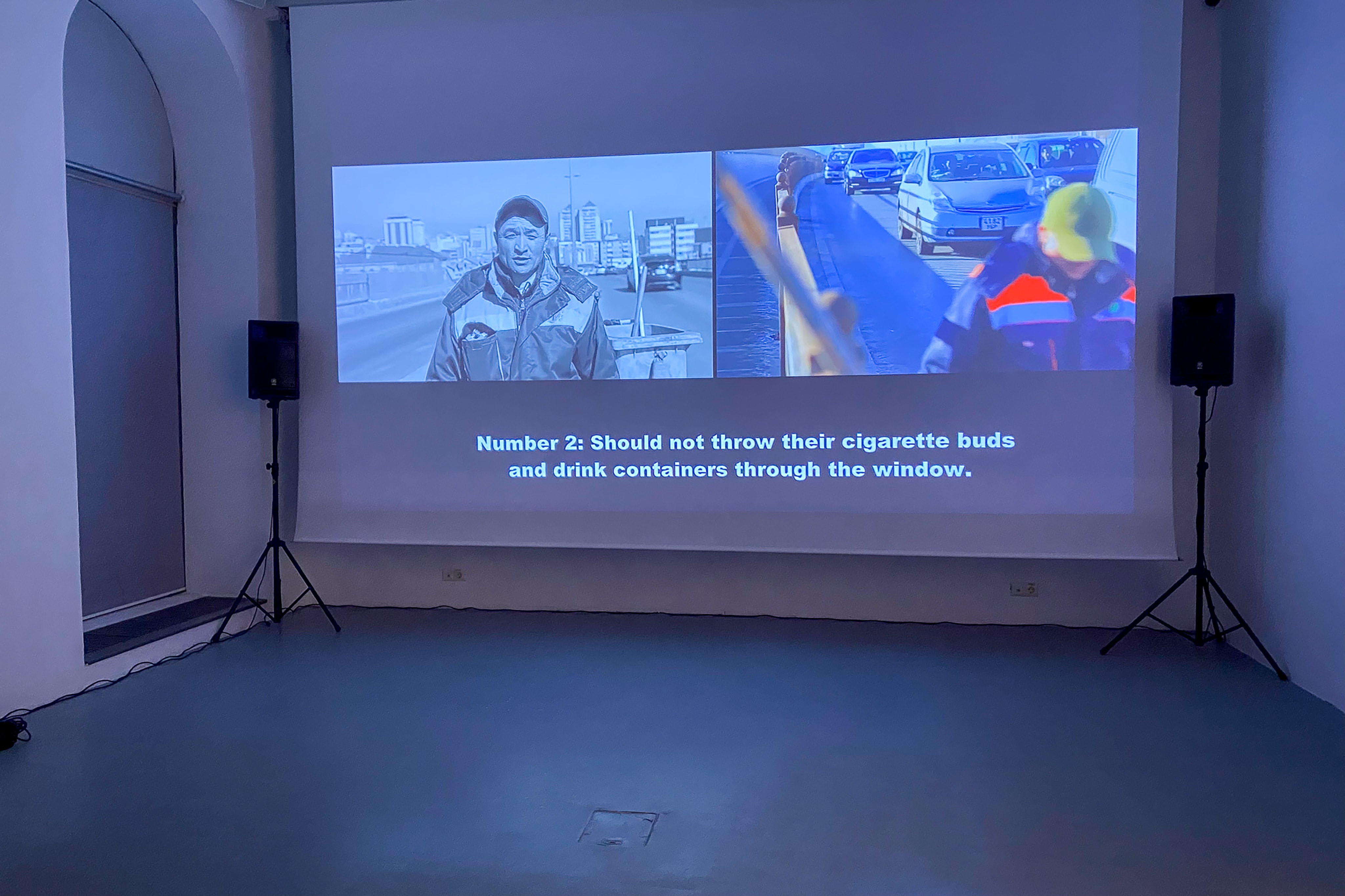
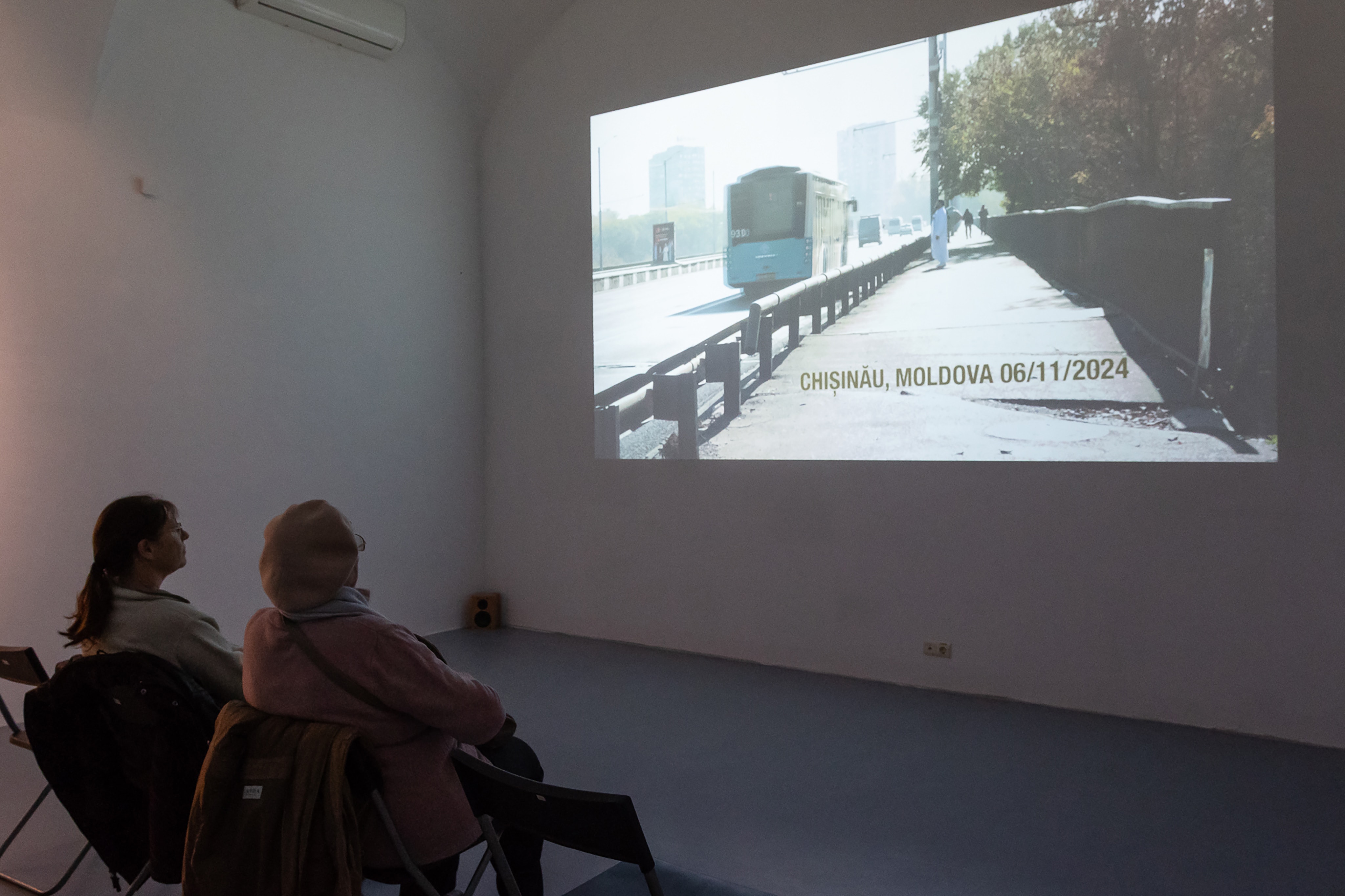
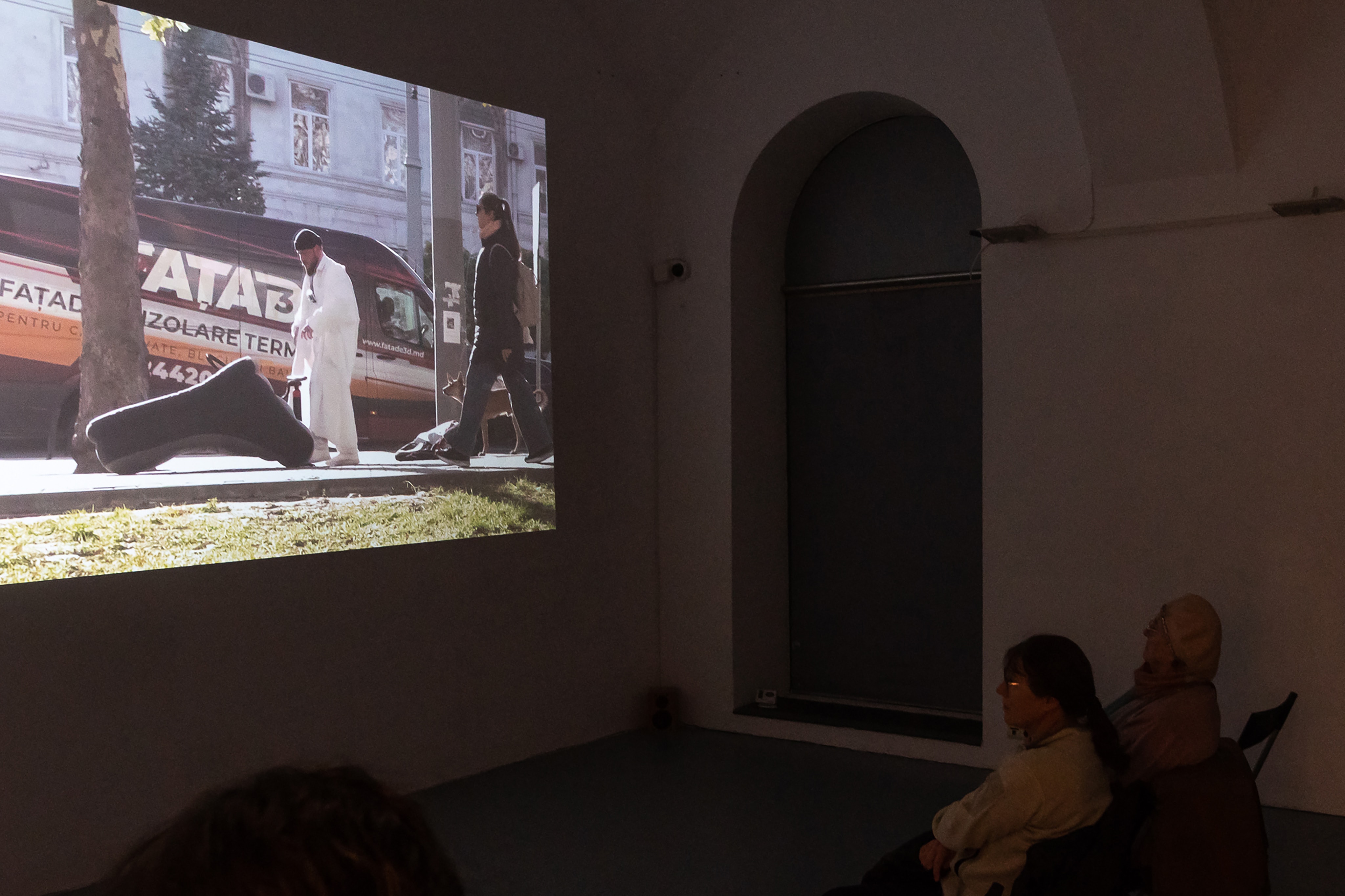
„Variable Time” brings together three video programs developed in Tajikistan (2013), Mongolia (2018), and Moldova (2024). Rather than approaching video as documentation or commentary, the exhibition frames moving image practices as a form of forecasting. These are not predictions of what is to come, but attentive readings of the present: images that register shifts, repetitions, and tensions as they unfold in everyday life.
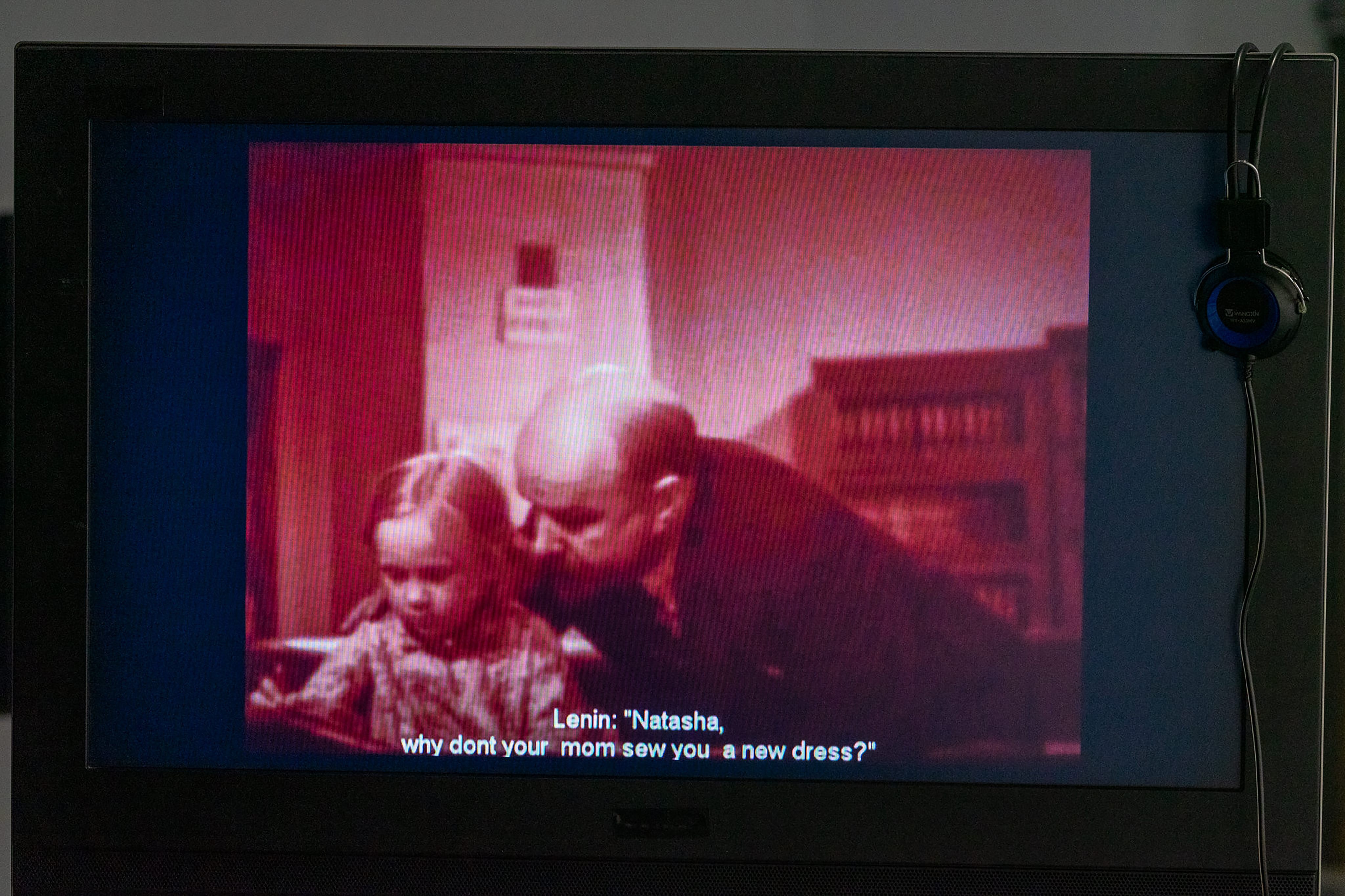
The exhibition treats temporal difference as a shared condition. In Dushanbe, artists revisit the figure of the “new man” to question how civic engagement and participatory practices have shifted since independence, and what remains of earlier ideals in everyday life. In Ulaanbaatar, tensions between nomadic and settled cultures expose the frictions produced by migration, urbanisation, and economic pressure. In Chisinau, young artists reflect on how to make art in dark times, looking both to the present experience of war and trauma and to earlier artistic responses to crisis.
Two of the programs were part of the 2025 edition of Videomaraton titled “The Edge of Light. Horizons of Resistance in Film & Video”, sharing its focus on resistance as a practice rooted in care, persistence, and witnessing. Seen together, the works trace a landscape of variable time, where artistic practice becomes a way of staying attentive to social realities that are still forming, where art does not offer resolution, but sustains the capacity to think, to respond, and to stay engaged within unresolved social realities.
Screening program:
Video Program (I): “Reimagining the new man”
Artists: Syrlybek BEKBOTAYEV, Marifat DAVLATOVA, John DAVIS, Jamshed KHOLIKOV, Aytegin MURATBEK UULU, Alexandr NICOLAEV, Khurshed RASULZODA, Alla RUMEANTZEV, Sulaymon SHARIFI, Murodzhon SHARIPOV, Surayo TUYCHIEVA
Video Program (II): “Urban Encounters: Between Migration and Mobility”
Artists: Bat-Ochir ALTANTOVCH, Batchuluun BAT-ERDENE, John DAVIS, Purev DAVAAJARGAL, Jadamba DARKHIJAV, Enkhbaatar ENKHTULGA, Batbayar ENKHCHULUUN, Tsagaantsooj GALSANDORJ, Badarch MARALGUA, MERGEN B., Bum-Erdene MUNKHZUL (aka Zulaa Urchuud), Ulambayar NARBAYASGALAN, Sanjsuren TUMURSUKH, Purevdash ZOLJARGAL
Video Program (III): “How is to Make Art in Dark Times?”
Artists: Ariadna CARP, Daniel CALDARE, Iurie GANDRABURA, Daria KUZNETZOVA, Gherman SAFTA, Vlasi ȚURCAN, Mihaela STEFANIA, Nina VRABII
Credit:
“Reimagining the New Man” – film workshop developed as part of “Practicing civic duties through social and visual media” project organised by Dushanbe Art Ground, Dushanbe, Tajikistan, 2014.
“Urban Encounters: Between Migration and Mobility” – a project devised by Ștefan Rusu & John Davis, co-organised in collaboration with Arts Council of Mongolia (ACM), Ulaanbaatar, 2017.
“How to Make Art in Dark Times?”– Laboratory of Experimental Film and Video Art reVEDERE’24, organised by KSA:K – Centre for Contemporary Art, Chisinau, Republic of Moldova.
Ştefan RUSU (b. 1964 in Kâietu, Moldova) – artist, curator, and researcher working between Chisinau, Republic of Moldova and Bucharest, Romania, currently based in Apia, Samoa Islands/South Pacific. His artistic and curatorial agenda follows a crossdisciplinary approach, dealing with exhibition design, film production, educational platforms and cultural activism.
Since 90s his practice is geared towards the social and political changes in East European societies after the fall of Berlin Wall and dissolution of Soviet Union. From 2000 onward, he is involved in the evolution of KSAK Center, Chisinau where he develops curatorial and research-based projects, and later in 2005-2006 he completed the Curatorial Training Program at De Appel, Amsterdam. Towards the end of 2012 he moved to Tajikistan, where he curated projects and public programs at Dushanbe Art Ground center. Later, after relocating to Kyrgyzstan in 2016 he initiated a research platform “Insular Modernities” – that explores urban context and architectural heritage (soviet modernism), mapping the status of public spaces and the actors of urban activism in Central Asia and Eastern Europe.
He curated extensively video programs and exhibitions exploring moving image and digital media: “MoldGolia- Video Art from Republic of Moldova” as part of “Czechpoint – Exhibition of Political Art” at NOD Gallery, Prague (2006) and later at Museum of Art Zilina, Slovakia (2007), “New Old Routes, Central Asian Video Art” at Arsenal Gallery, Bialystok, Poland (2007) and BizArt Center, Shanghai (2009), “Changing Climate” at Kunsthalle Exnergasse, Vienna (2009) and AUB Galleries, Beirut/Lebanon (2014). The selection from “Reimagining the New Man” was screened at Video Vortex XI: Video in Flux festival, Kochi-Muzeris, Kerala, India (2017), and “Nothing to Lose: Melancholy of Resistance” at “Face Value”, Transmediale Festival of Art and Digital Culture (2018), Berlin. Finally the “Urban Encounters: Between Migration and Mobility” was part of “Ulaanbaatar” media arts festival and “Altan Khalis” Independent Film Festival (2017).
Ștefan is the editor of publications: Spaces on the Run (2015), Reimagining the New Man (2014), Chisinau-Art, Research in the Public Sphere (2011), “RO-MD/Moldova in Two Scenarios (2008). In 2012 he directed “Reclaiming the City” documentary commissioned for 7th Berlin Biennial (“Forget Fear” curated by Joanna Warsza and Artur Żmijewski) and in 2014 in collaboration with Oberliht Association produced “Autopcity” documentary that explores the impact of gentrification processes on public space in Chisinau.

- Organizer(s): MAGMA Contemporary Medium Association
- |
- Partner(s): Székely National Museum
- |
- Sponsor(s): Covasna County Council, Municipality's Council of Sfântu Gheorghe
- |
- Thanks to: Transylvanian Art Centre
- |
- Media Partner(s): Sepsiszentgyörgy Info, modernism.ro