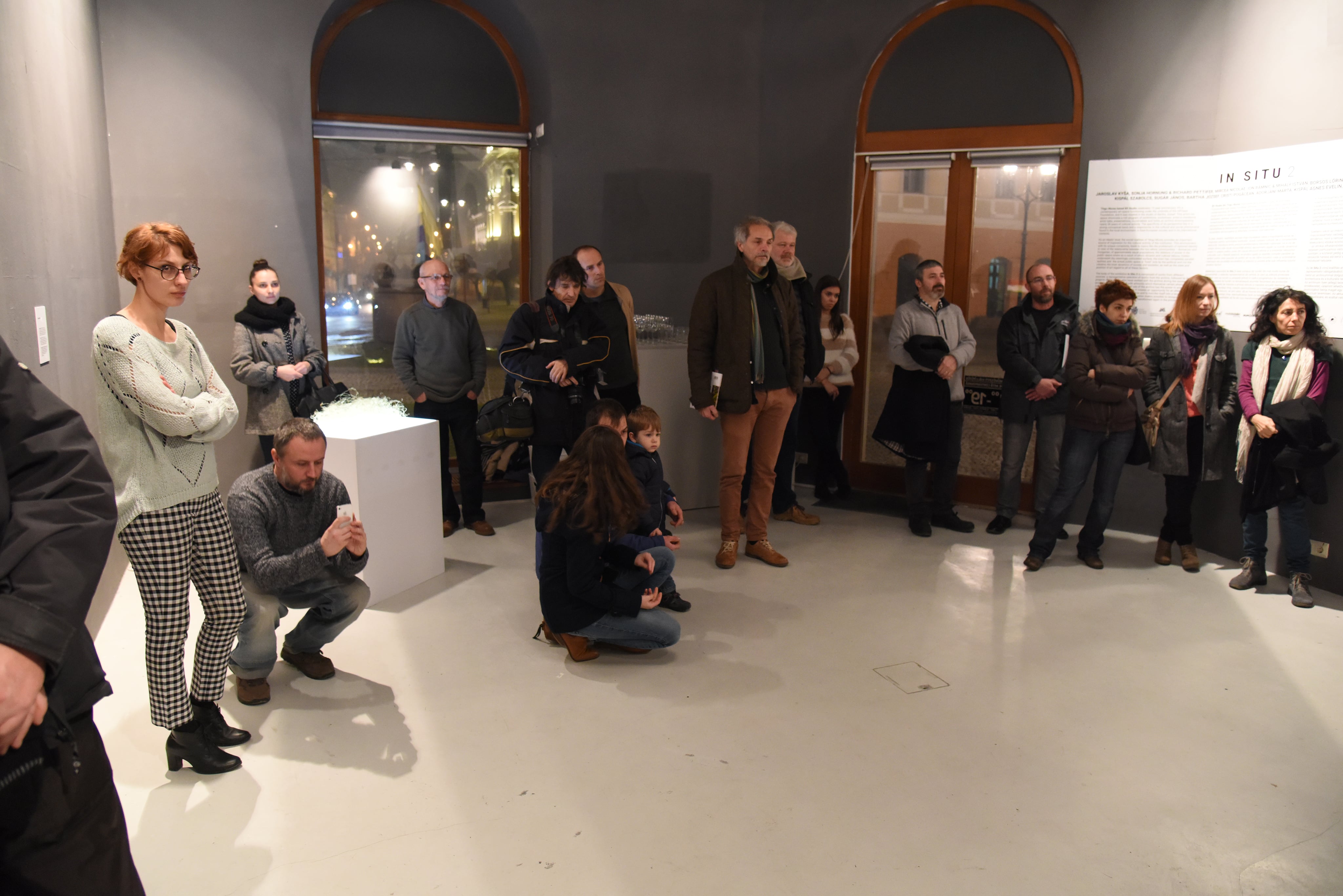
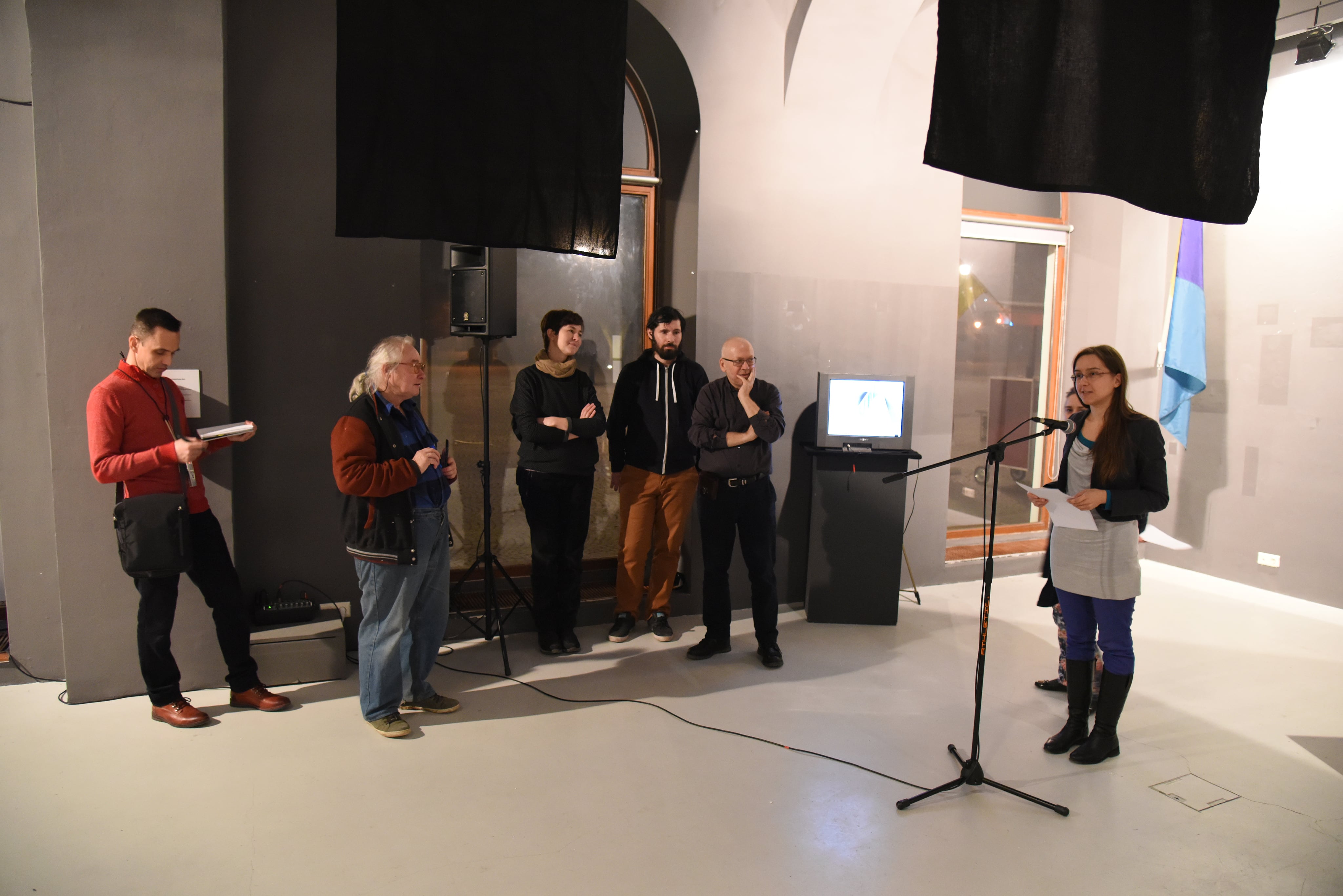
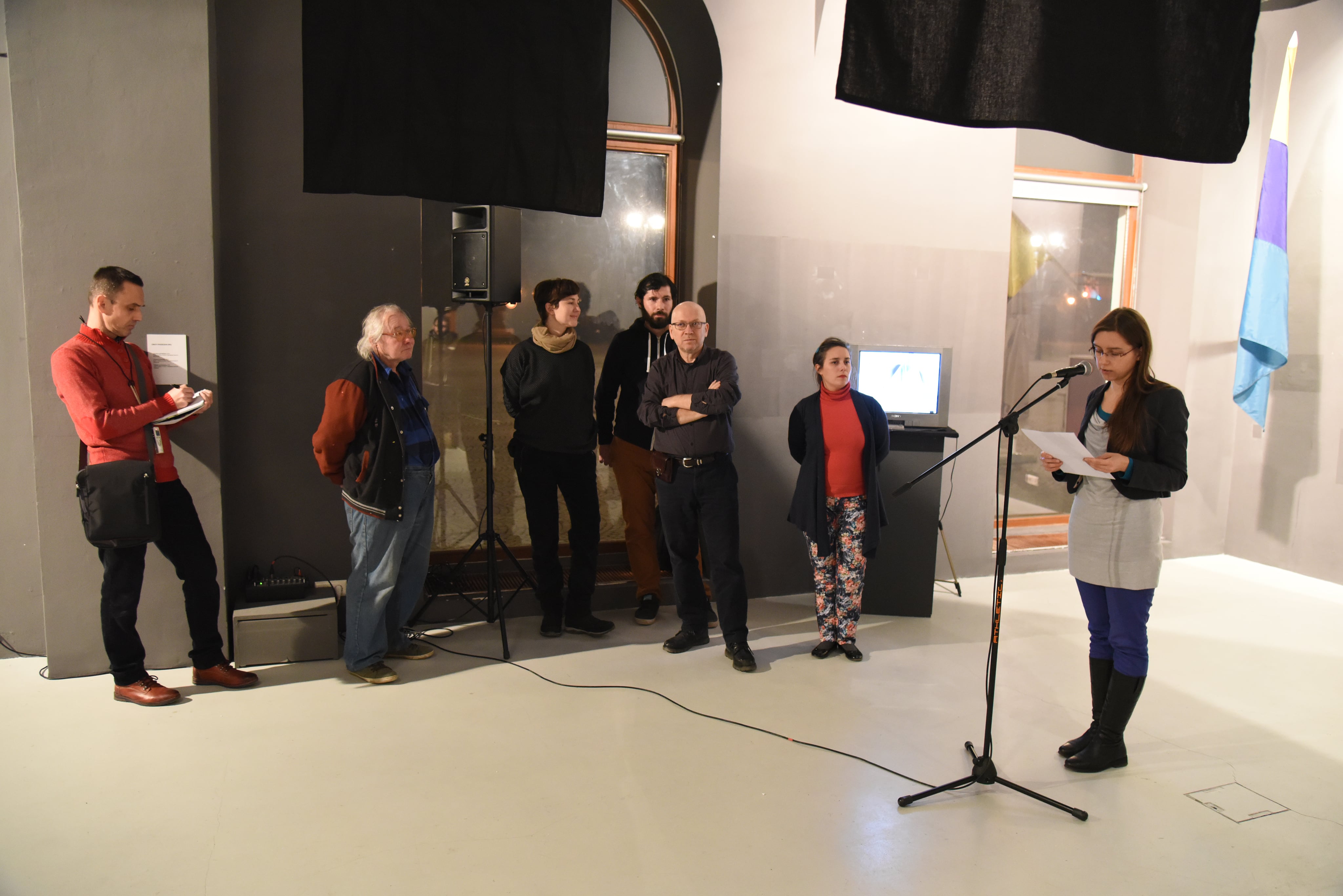
- Authors: Sonja Hornung, Richard Pettifer, Mircea Nicolae, Ion Râmnic & Mihály István, Lőrinc Borsos, Iulia Toma, Claudiu Cobilanschi, Szabolcs Kisspál, János Sugár, József Bartha, Cristi Pogăcean, Dénes Miklósi, Monotremu
- |
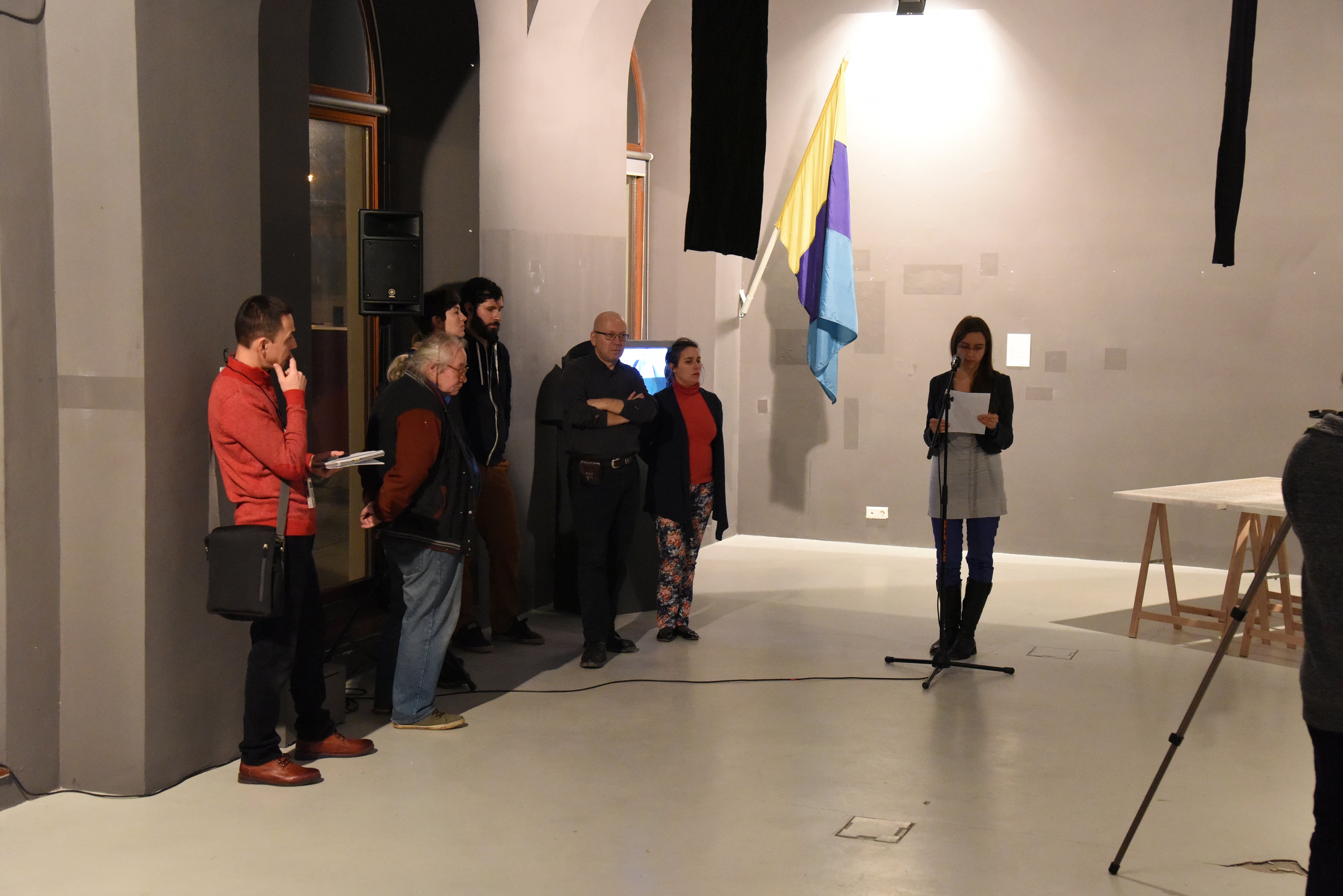
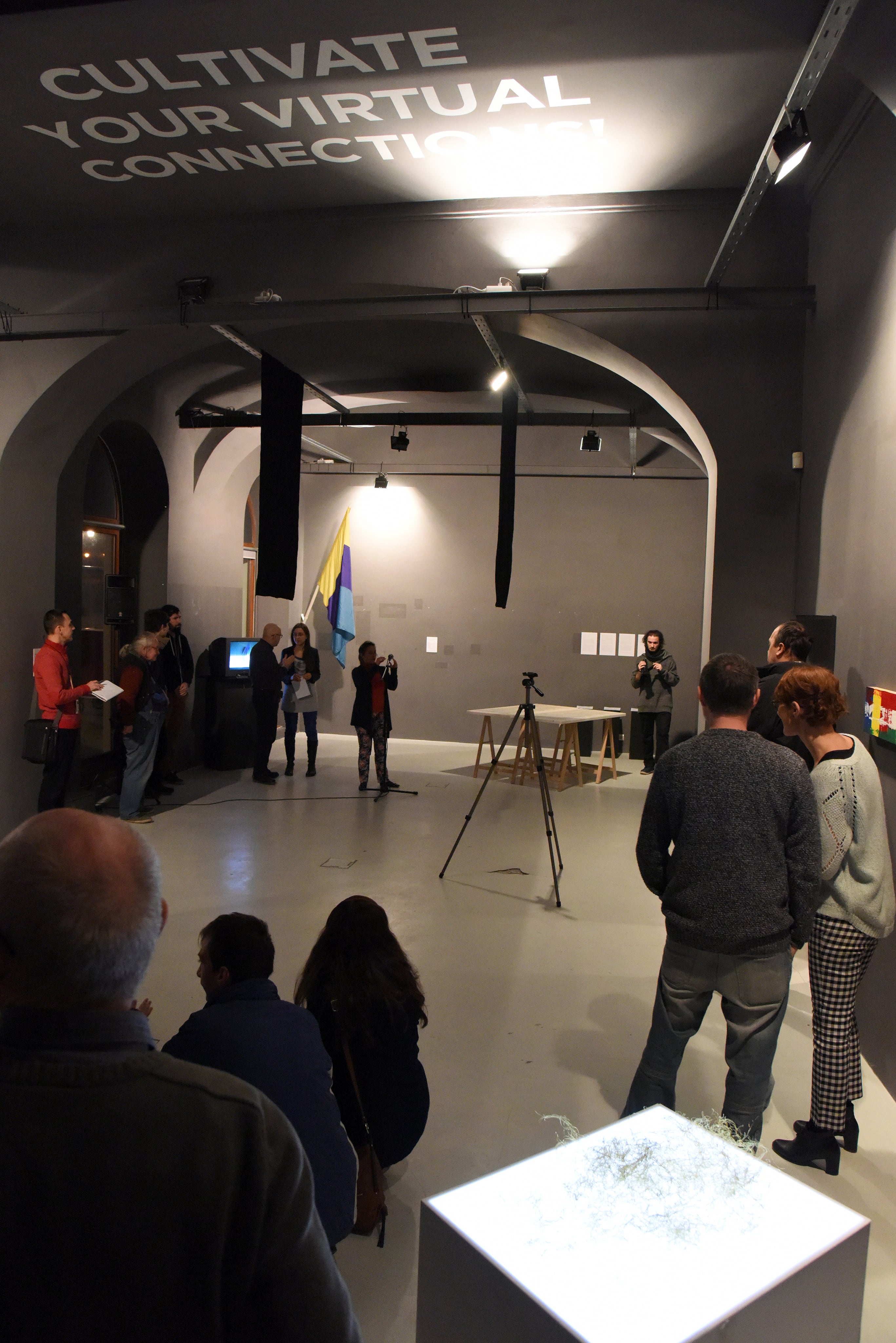
- Opening speech: Kata Ungvári-Zrínyi

EXHIBITION EXTENDED UNTIL FEBRUARY 9!
Târgu-Mureș based B5 Studio celebrates 10 year anniversary. It’s a contemporary art space functioning under the umbrella of the ARTeast Foundation, and it was created in the studio of József Bartha. This artist-run space showcase a rich program of exhibitions, workshops, artist-in-residence, artist talks, presentations, round-tables and holds an archive encompassing nearly 30 years of cultural activity. The specificity of its perspective lies in a strong conceptual basis and a responsivity to the cultural and social phenomena found in the local environment, in East-European society and in its international contexts.
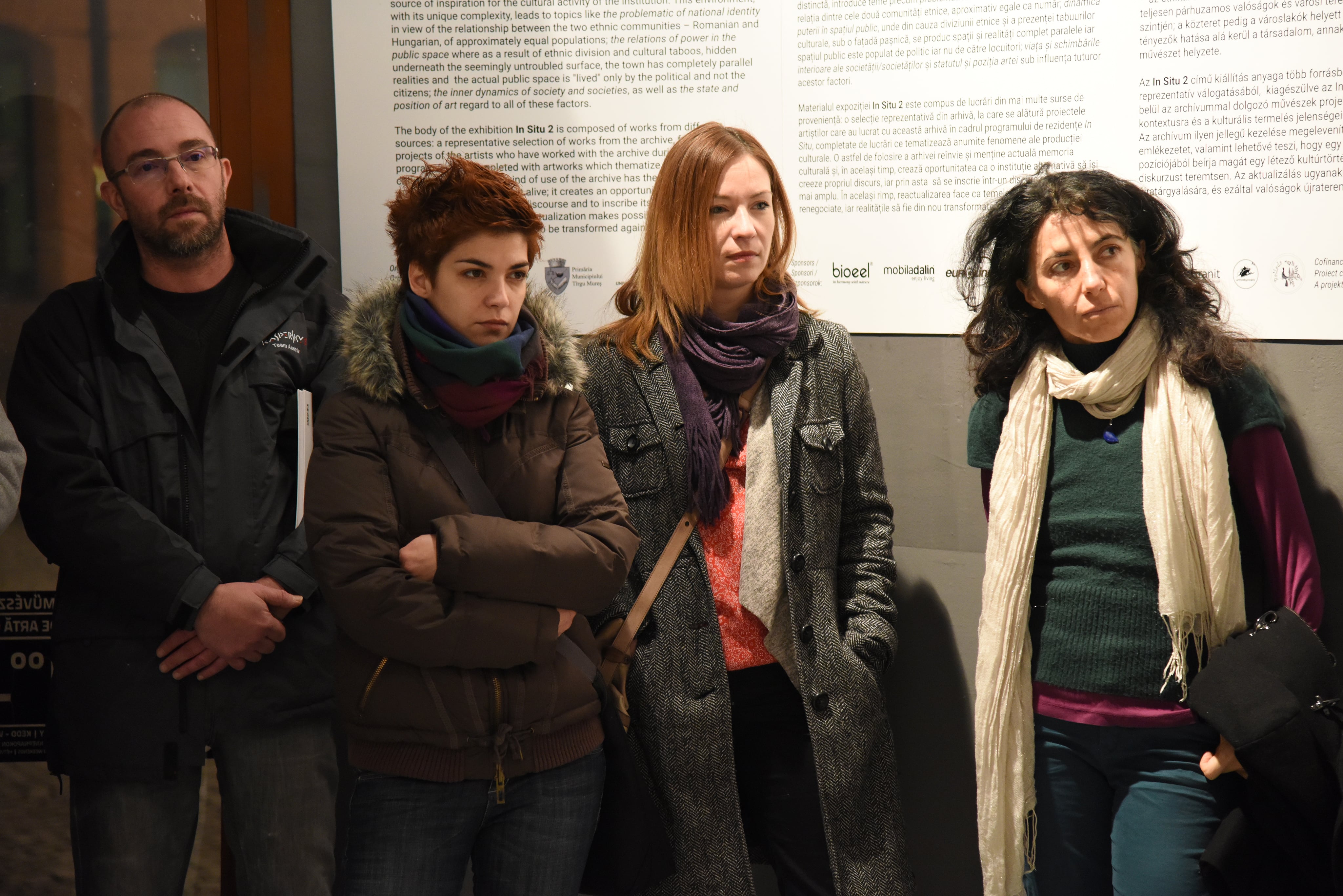
On an ideatic level, the social realities of Târgu-Mureș provides an important source of inspiration for the cultural activity of the institution. This environment, with its unique complexity, leads to topics like the problematic of national identity in view of the relationship between the two ethnic communities – Romanian and Hungarian, of approximately equal populations; the relations of power in the public space where as a result of ethnic division and cultural taboos, hidden underneath the seemingly untroubled surface, the town has comp lately parallel realities and the actual public space is “lived” only by the political and not the citizens; the inner dynamics of society and societies, as well as the state and position of art regard to all of these factors.
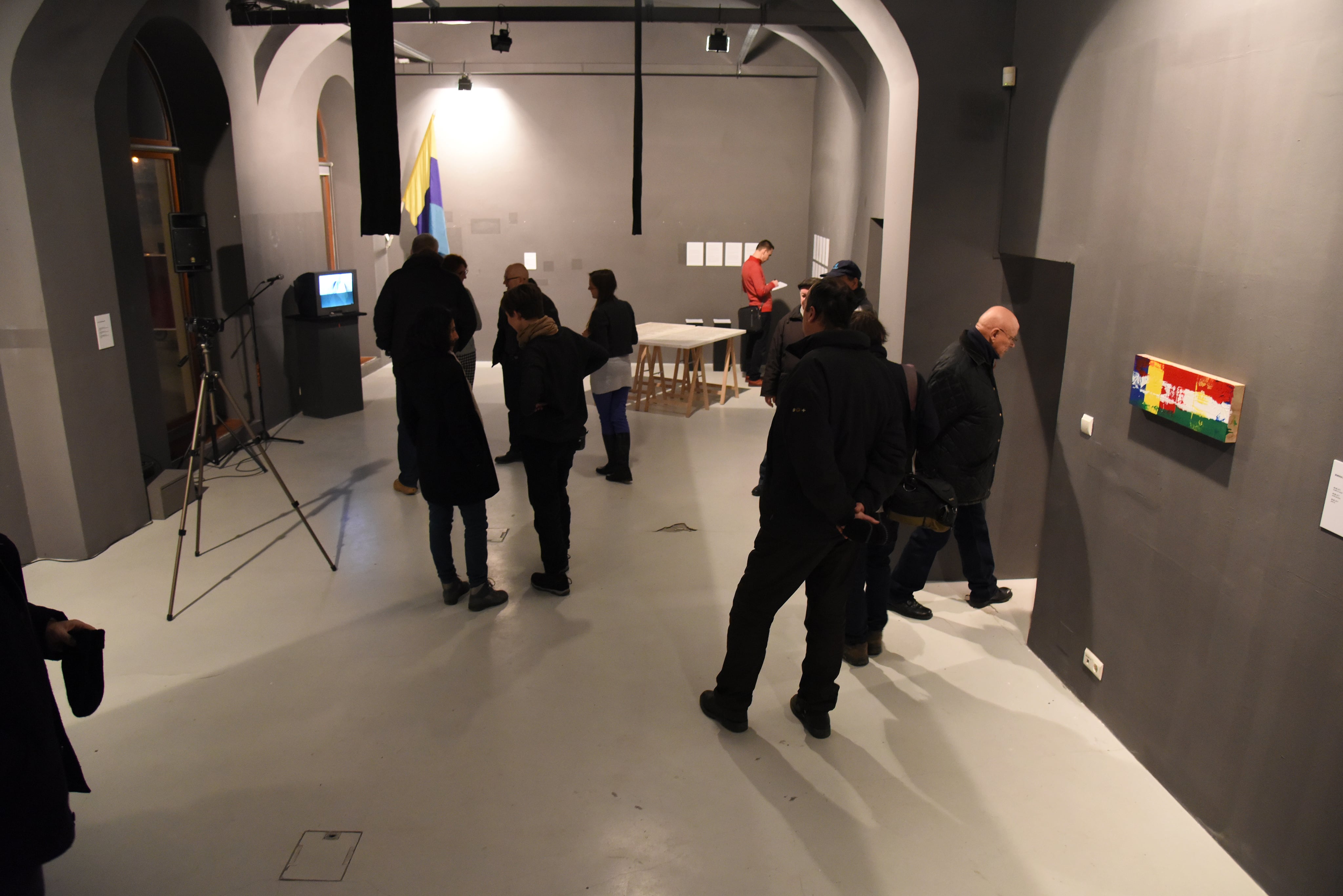
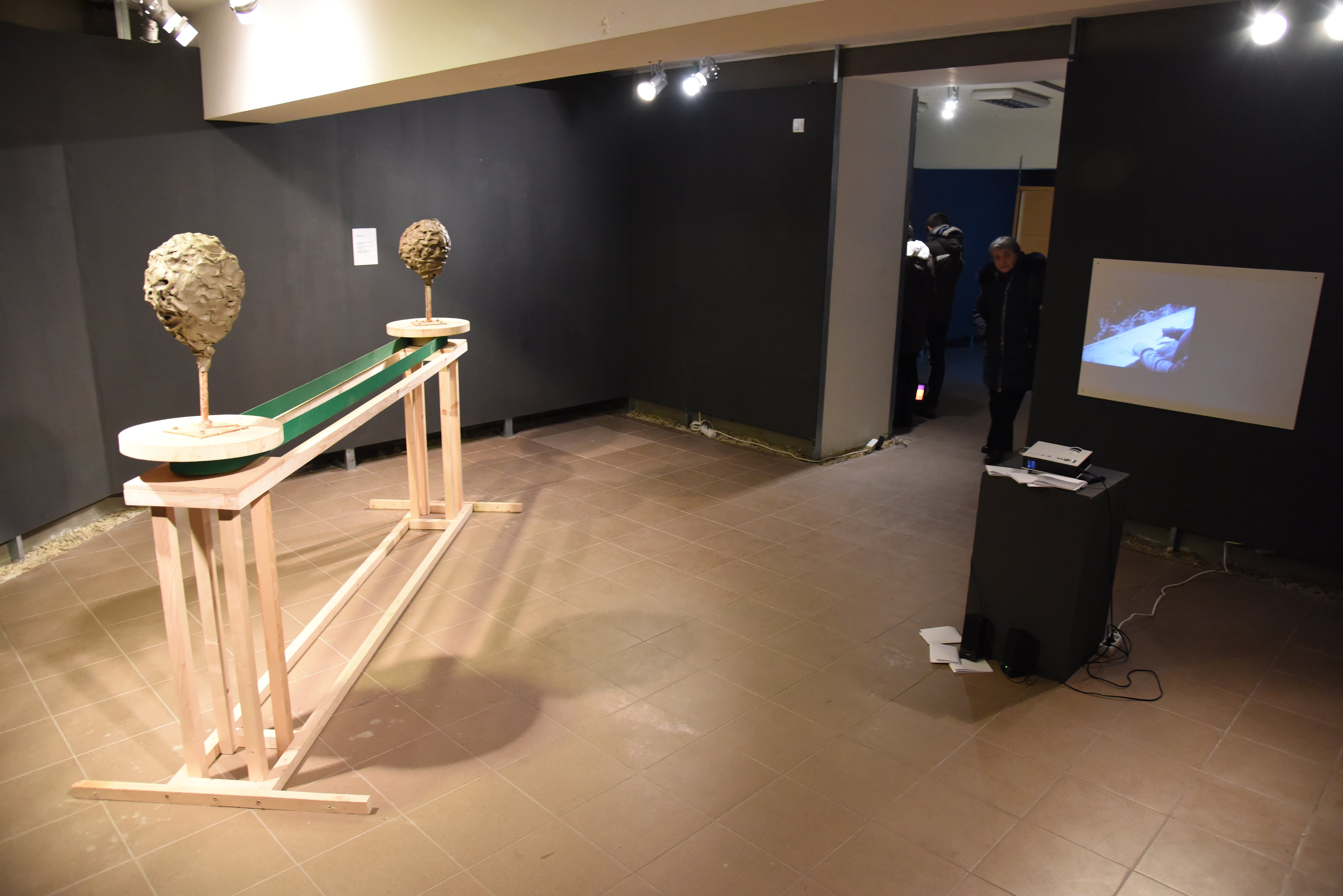
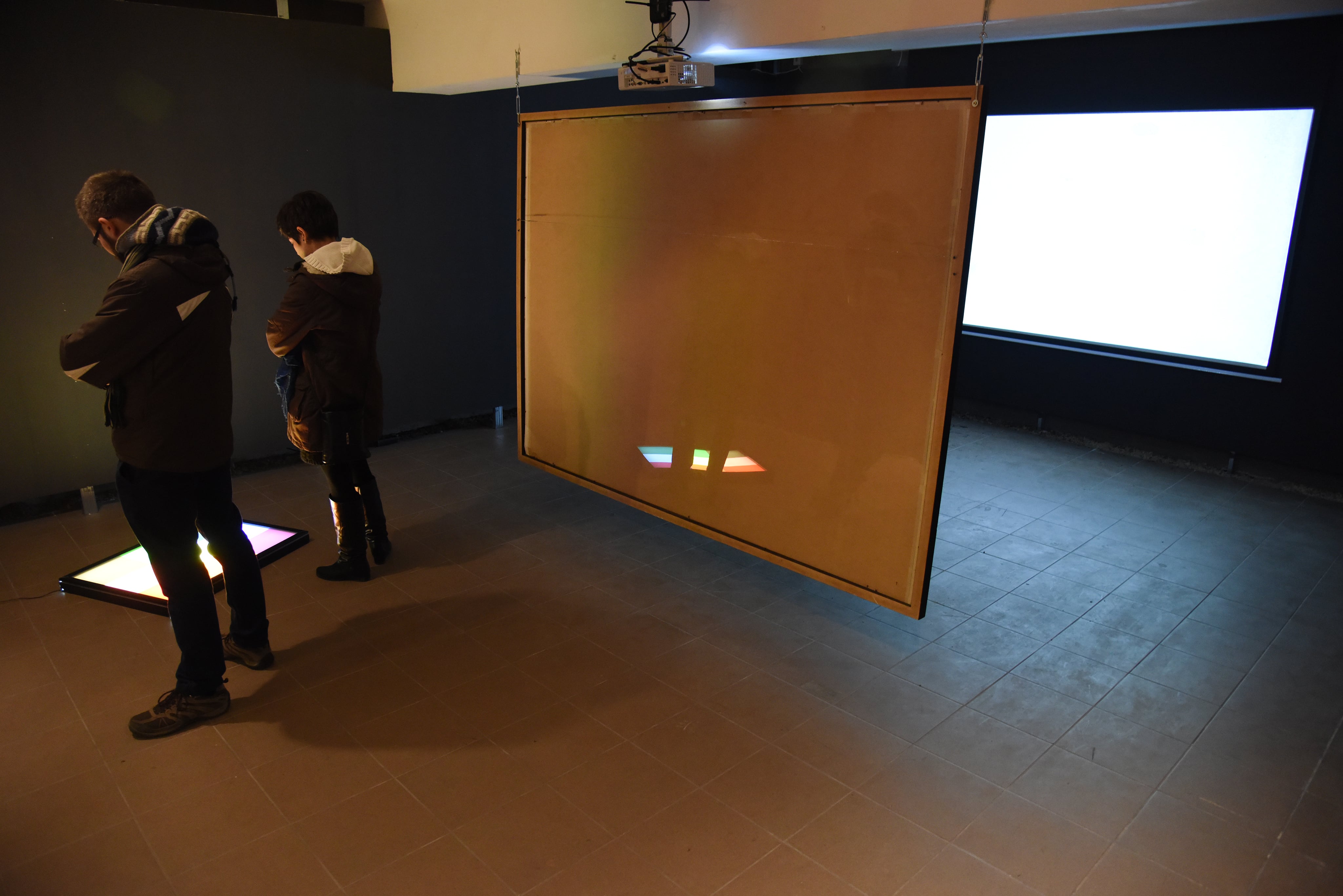
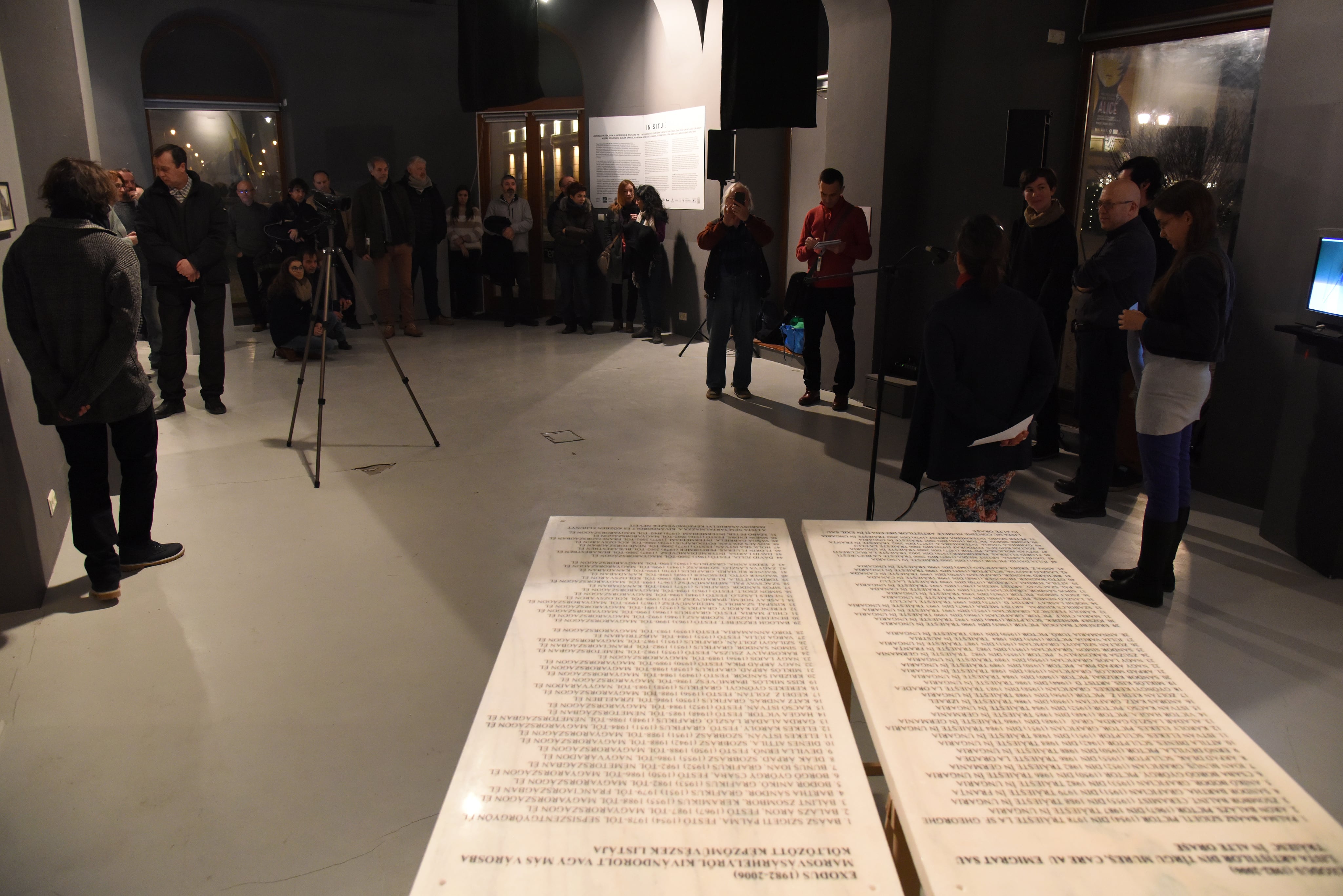
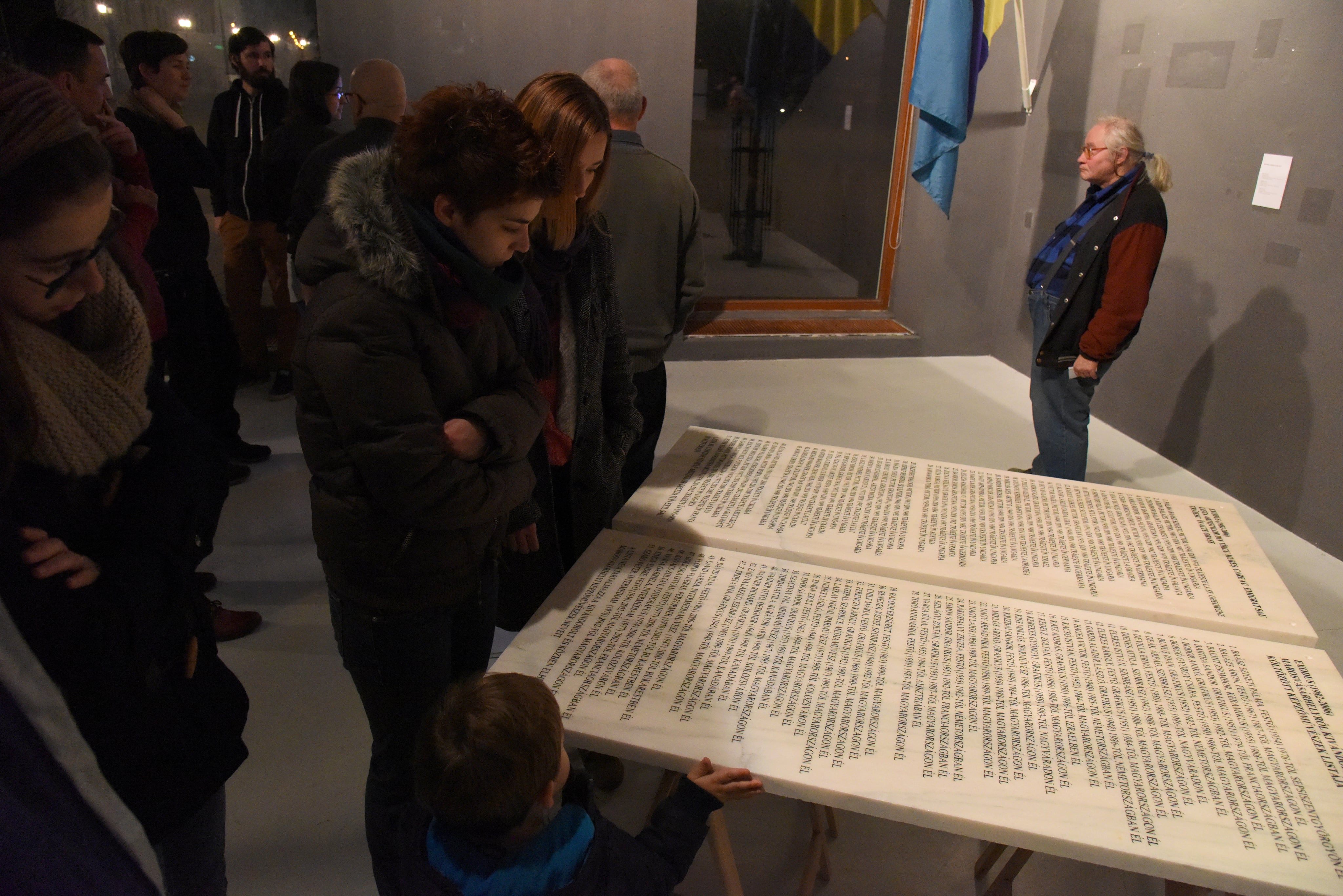
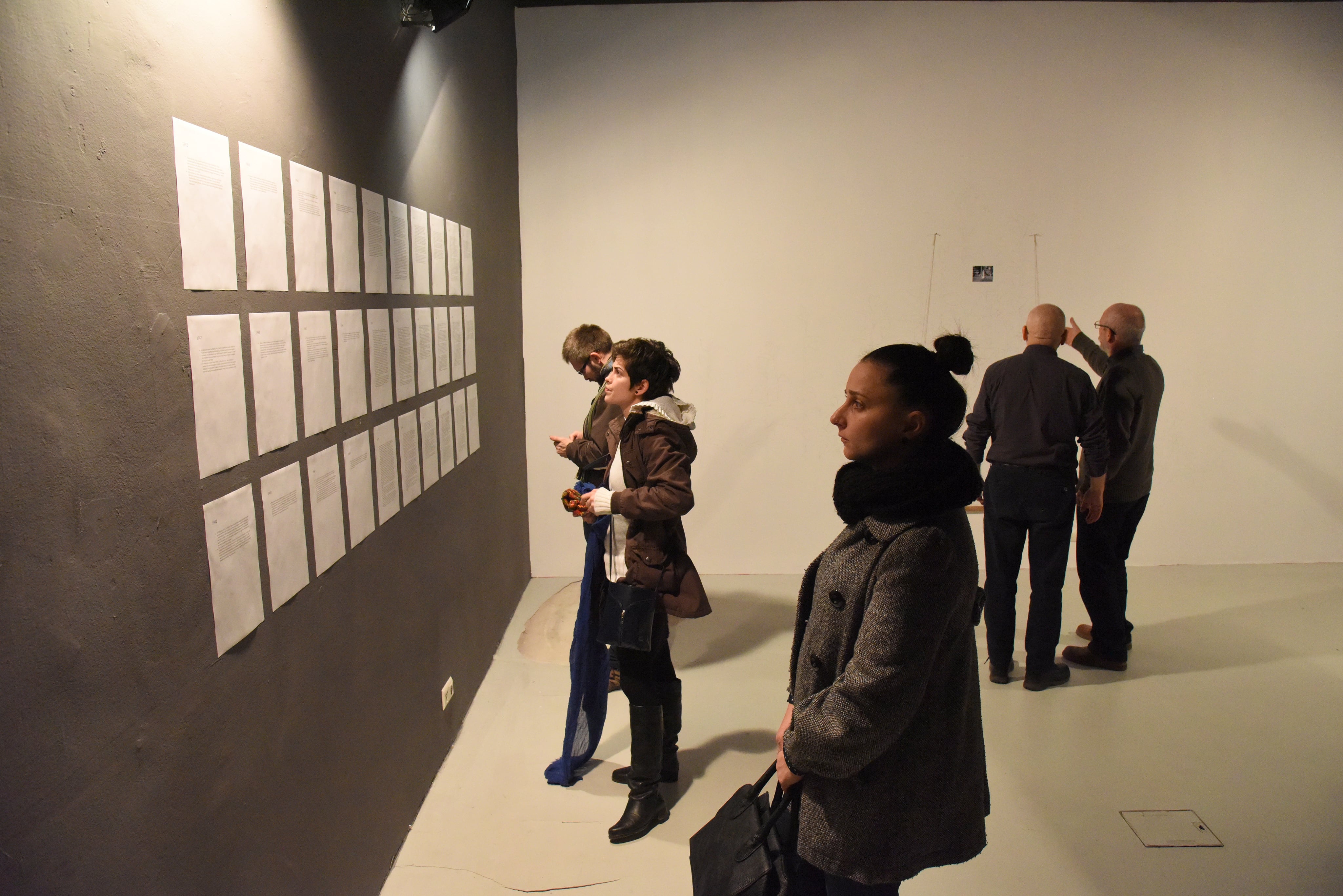
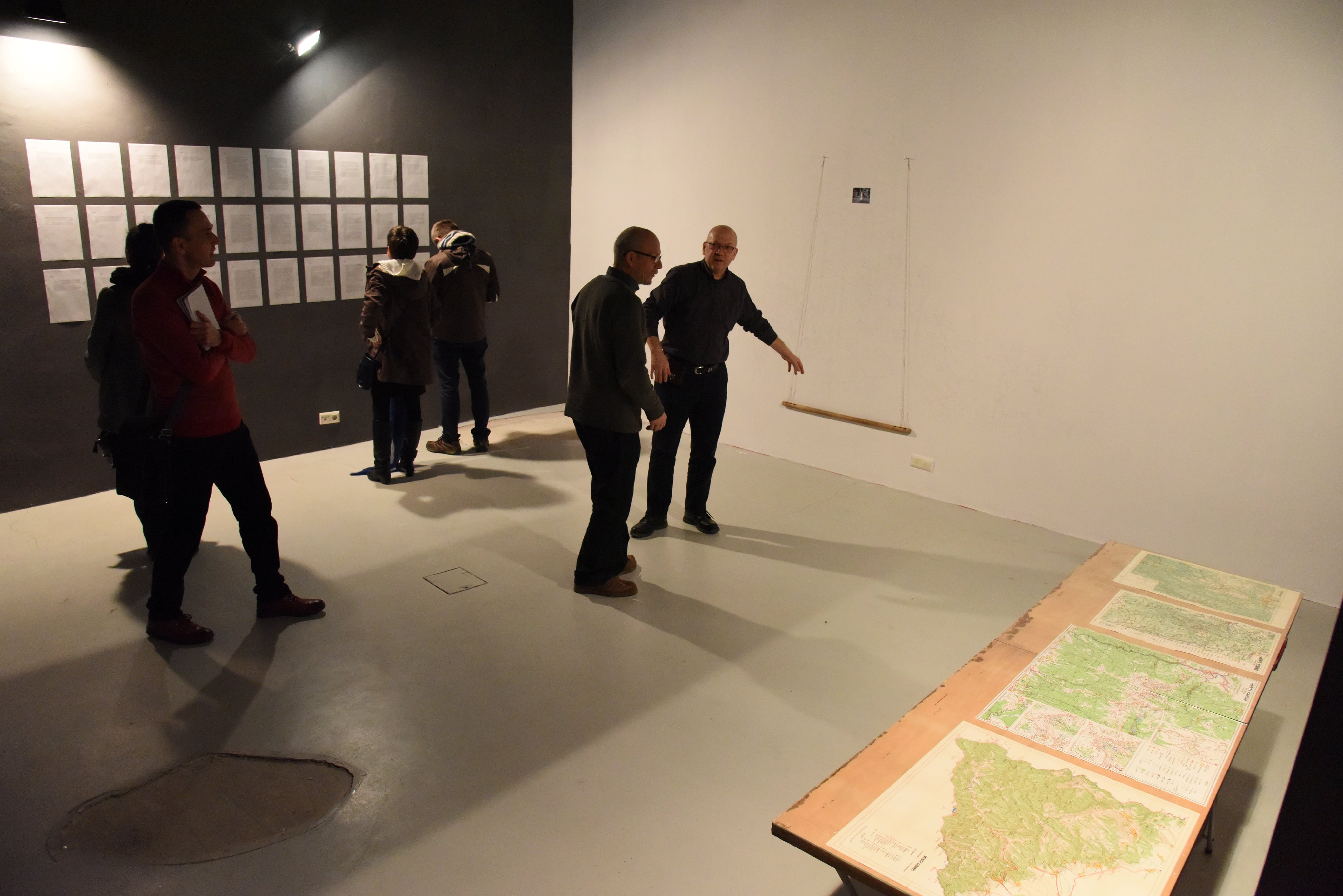
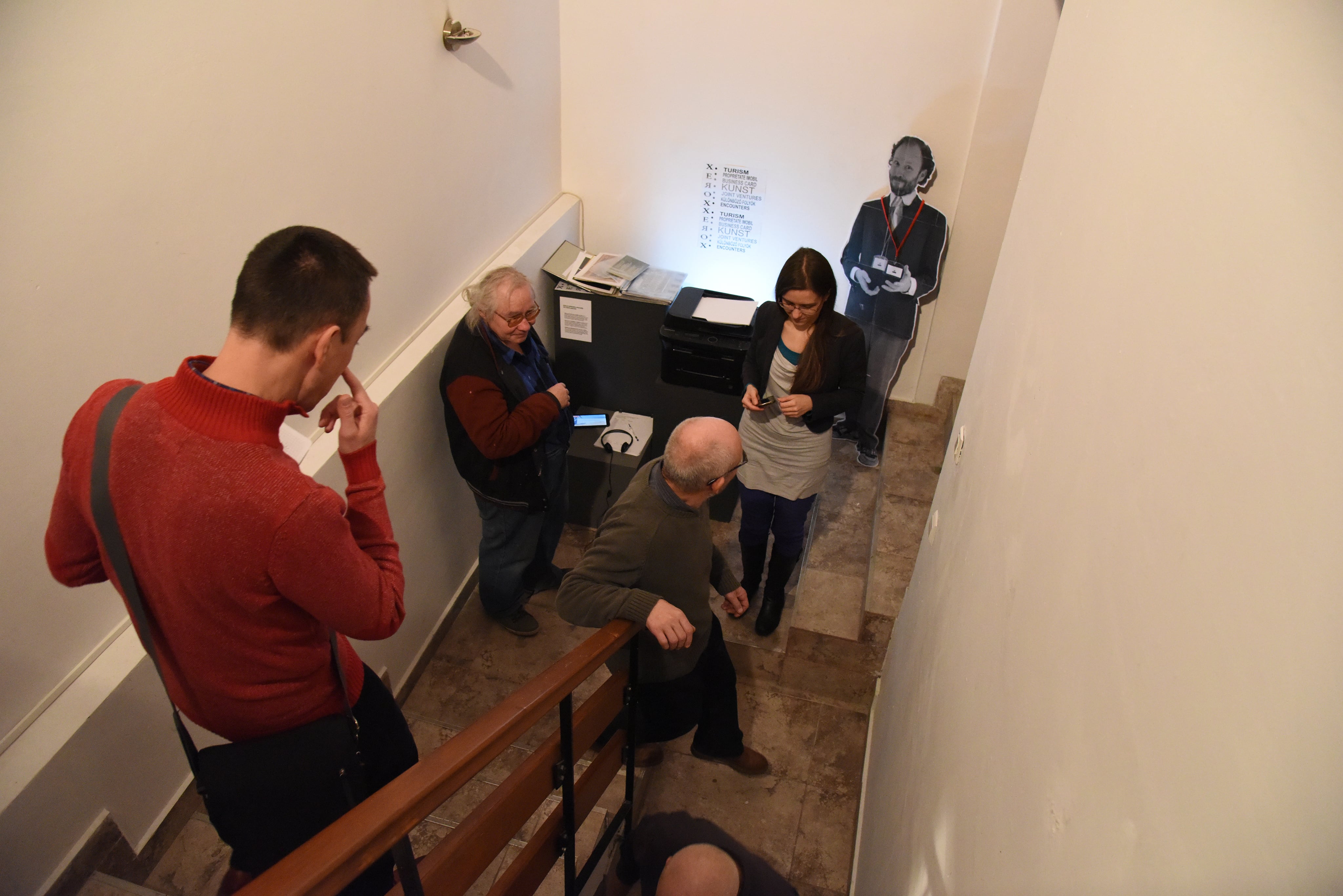
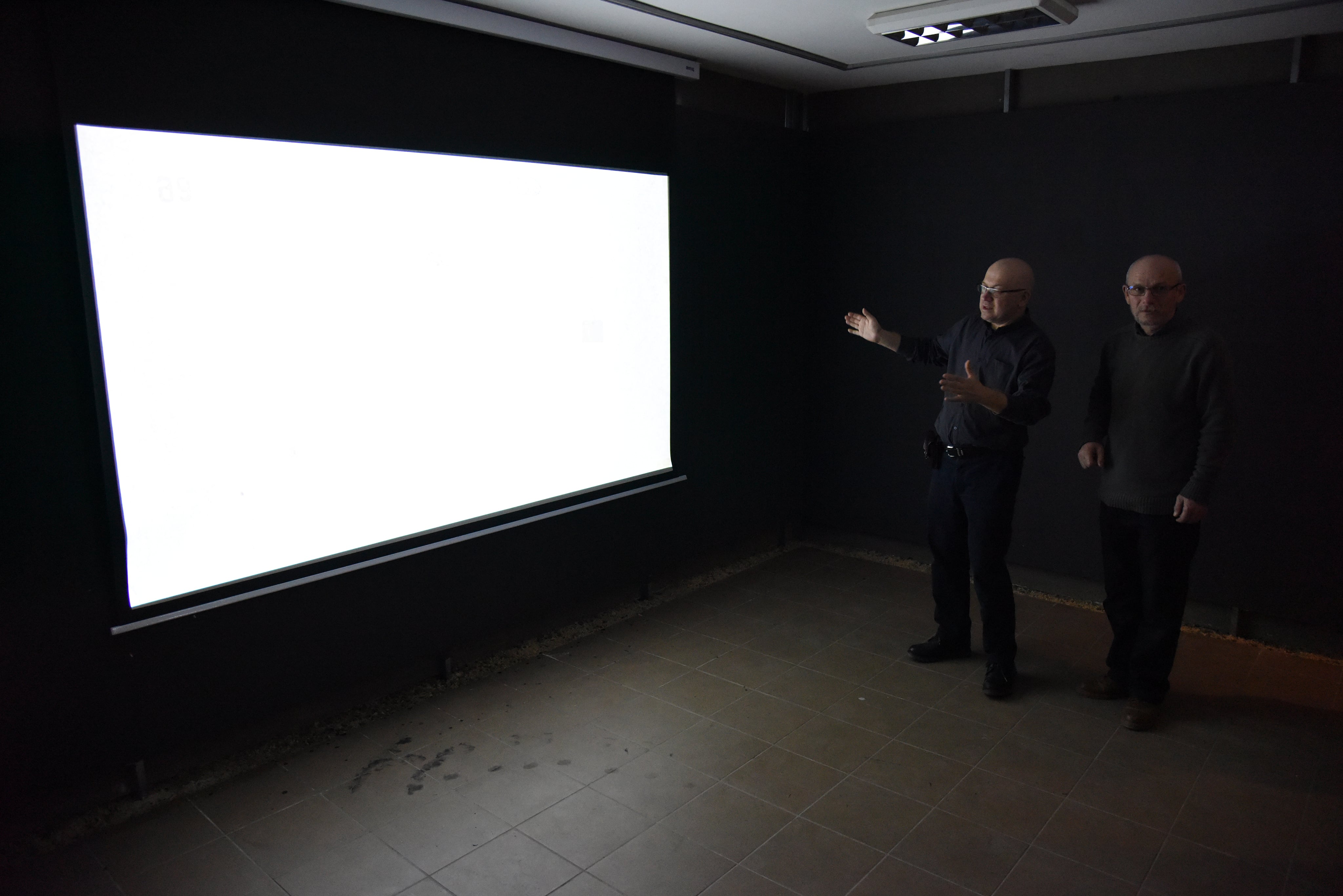
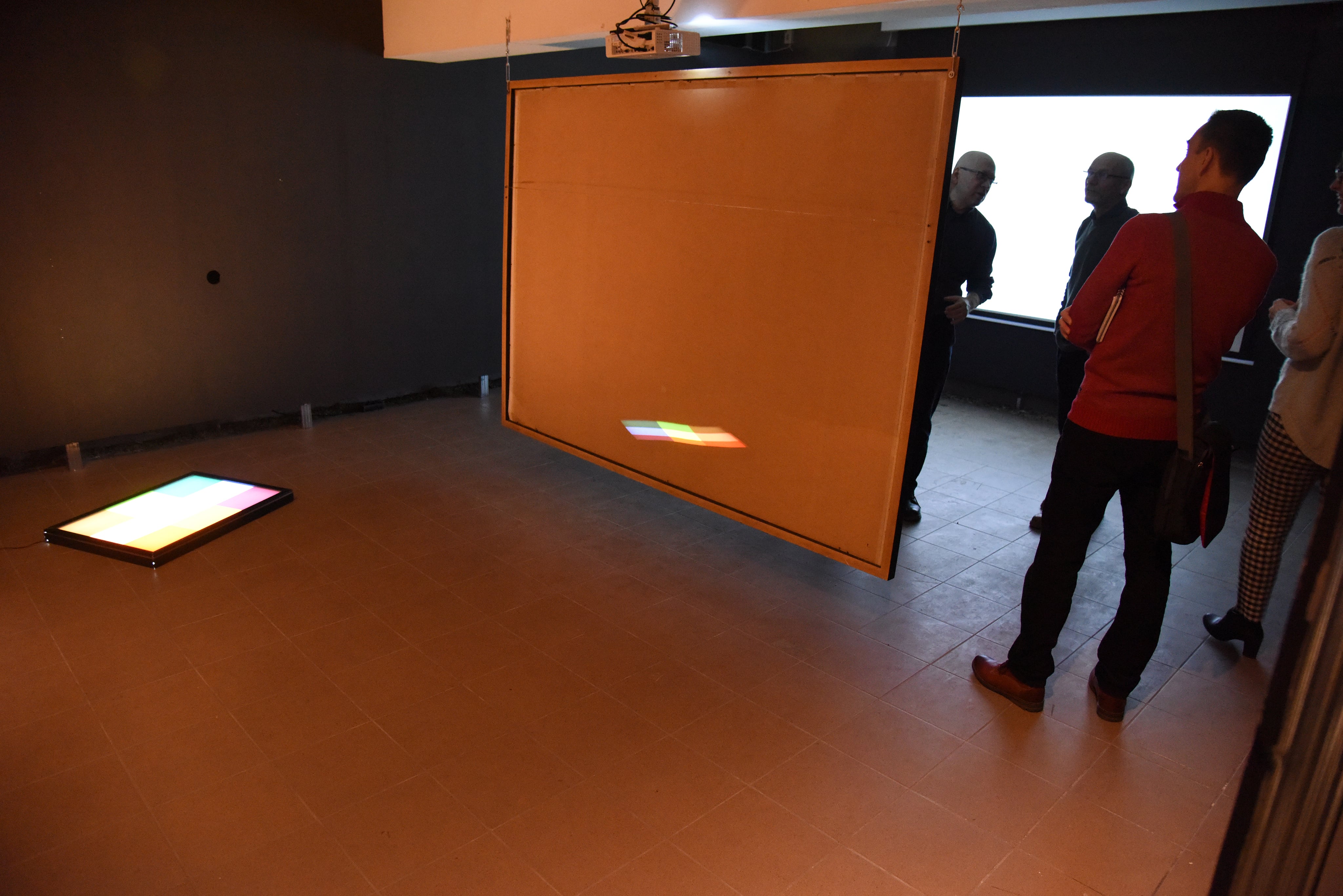
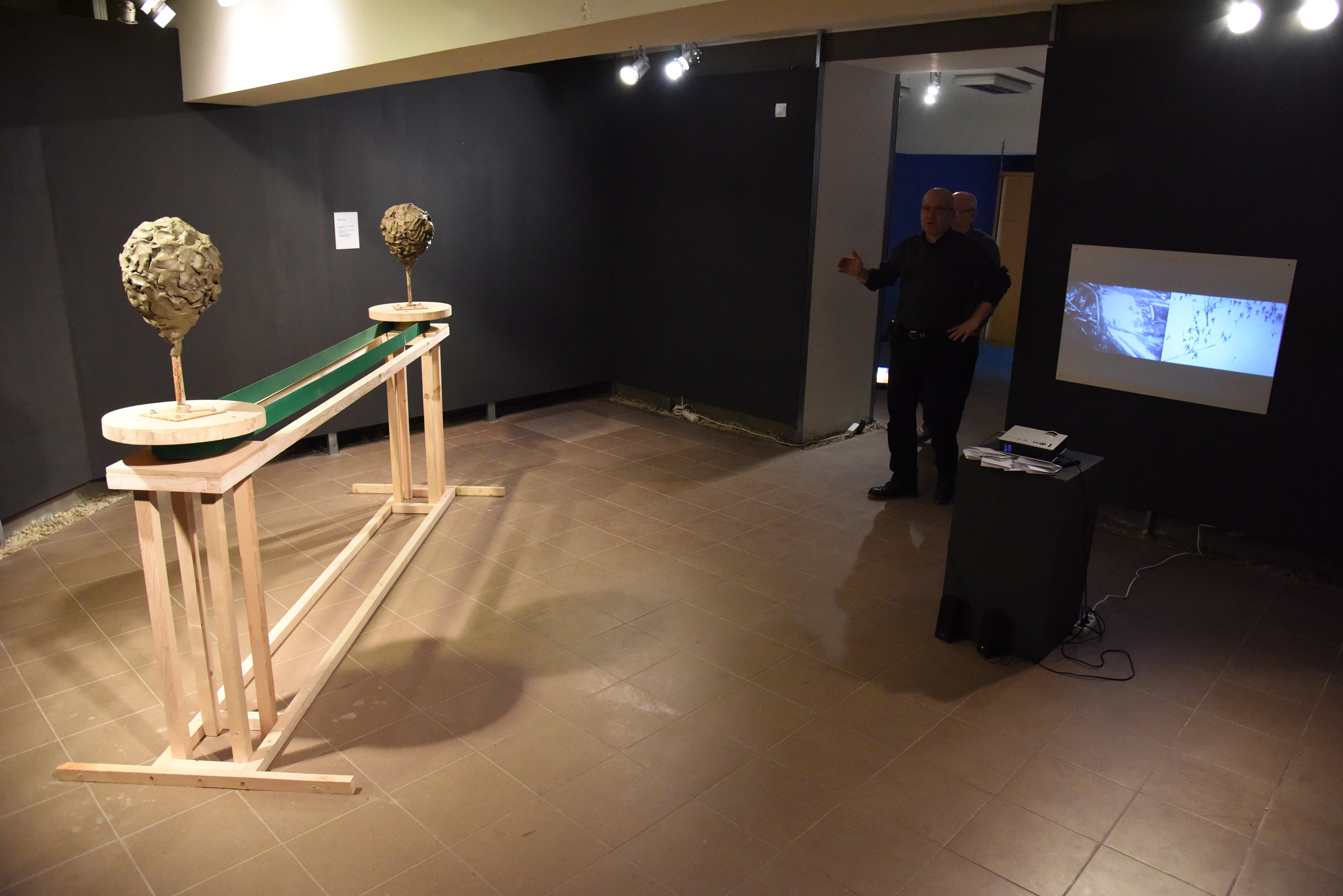
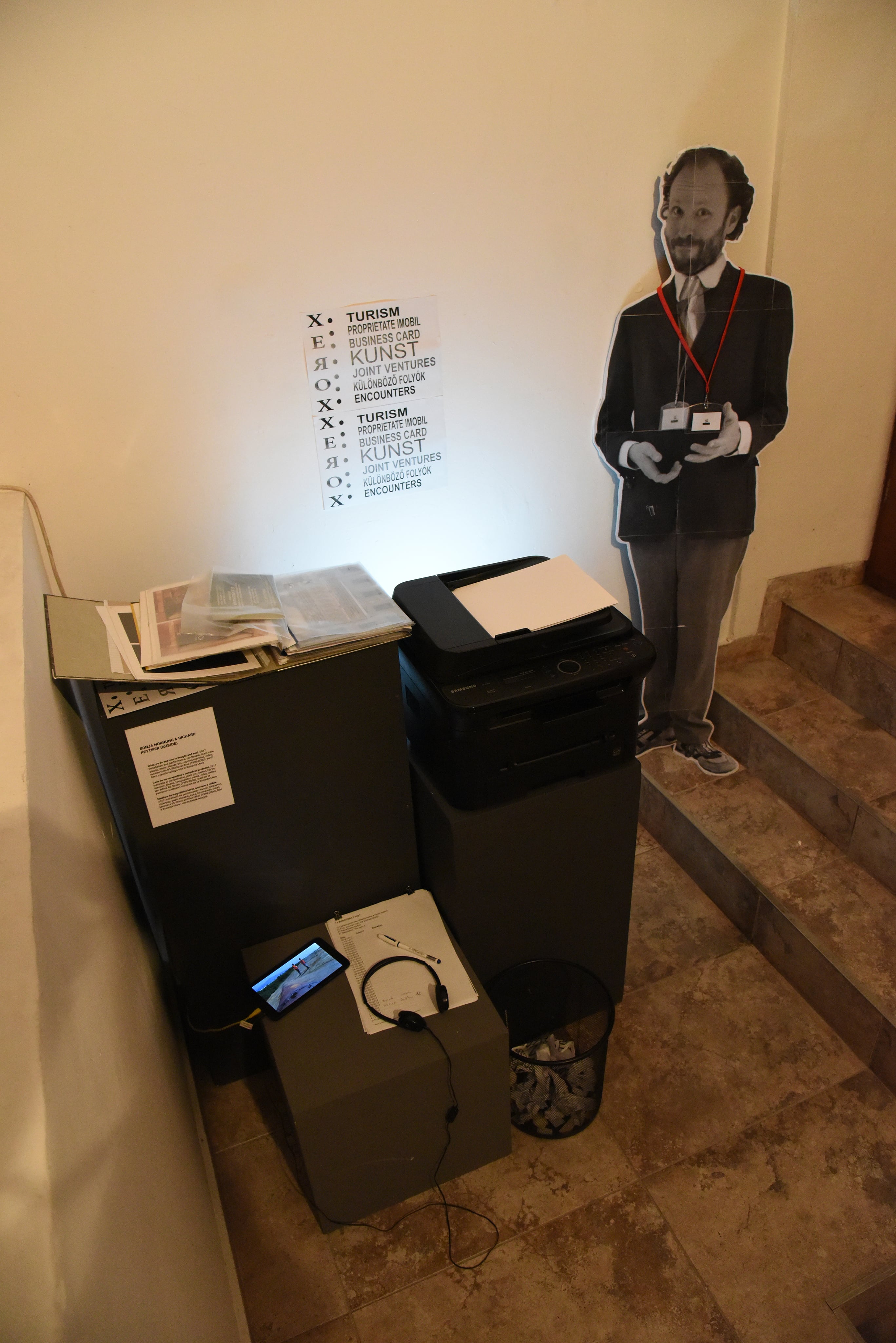
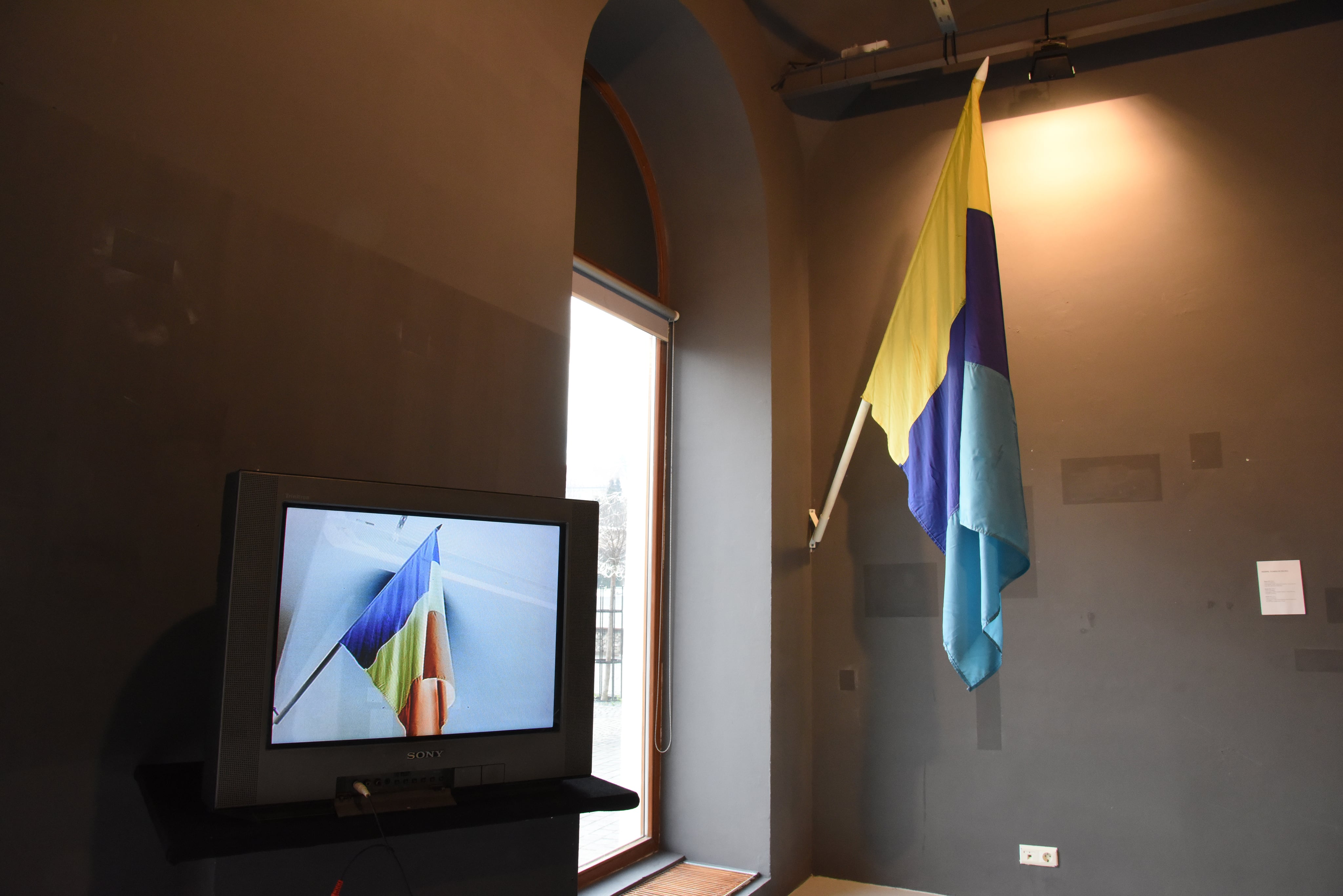
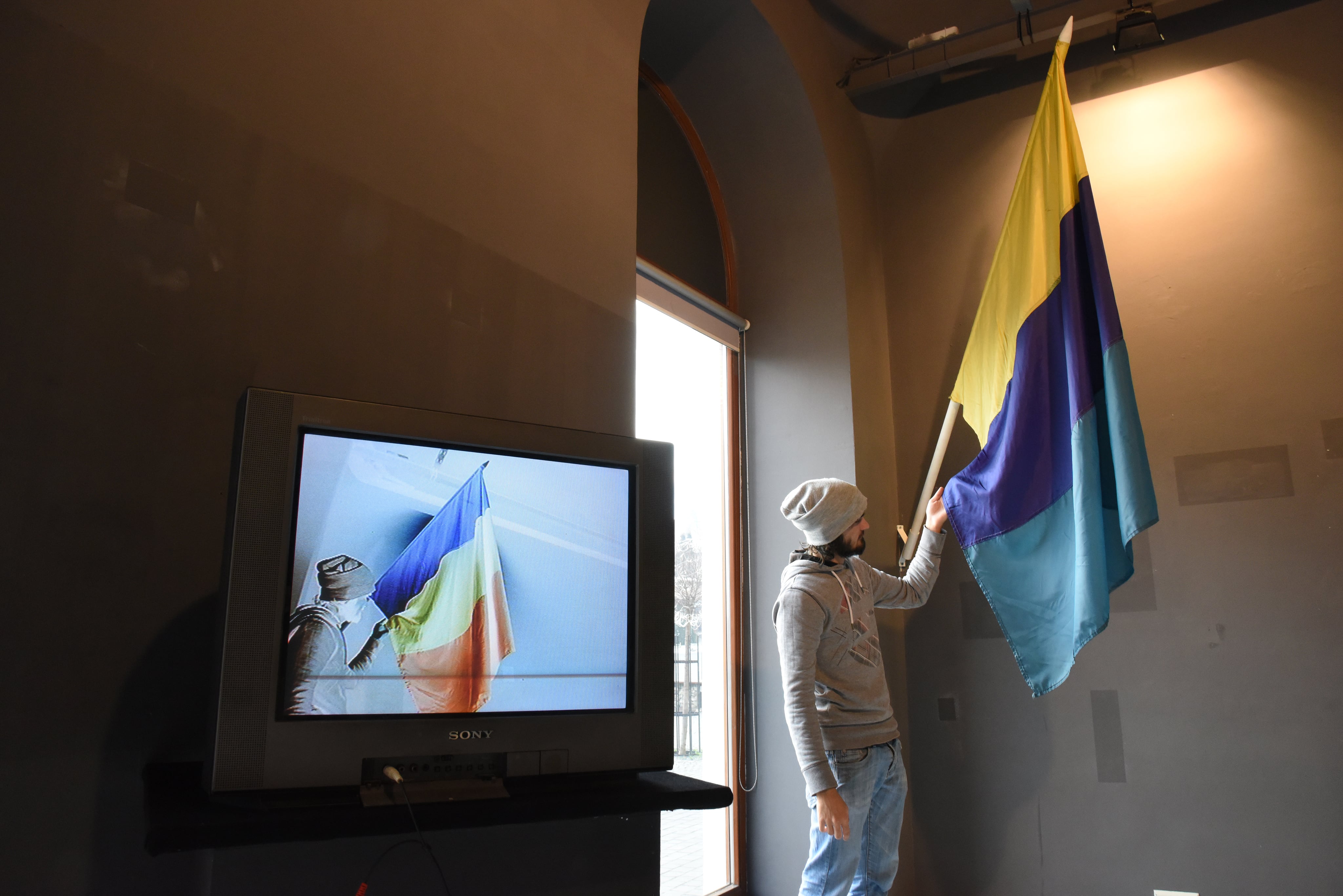
The body of the exhibition In Situ 2 is composed of works from different sources: a representative selection of works from the archive, followed by the projects of the artists who have worked with the archive during the residency program In Situ, completed with artworks which thematize certain phenomena of cultural production.This kind of use of the archive has the power to animate cultural memory and keep it alive; it creates an opportunity for an alternative institution to create its own discourse and to inscribe itself into a larger existing one. At the same time, the reactualization makes possible to renegotiate the proposed topics, and realities to be transformed again in the process.
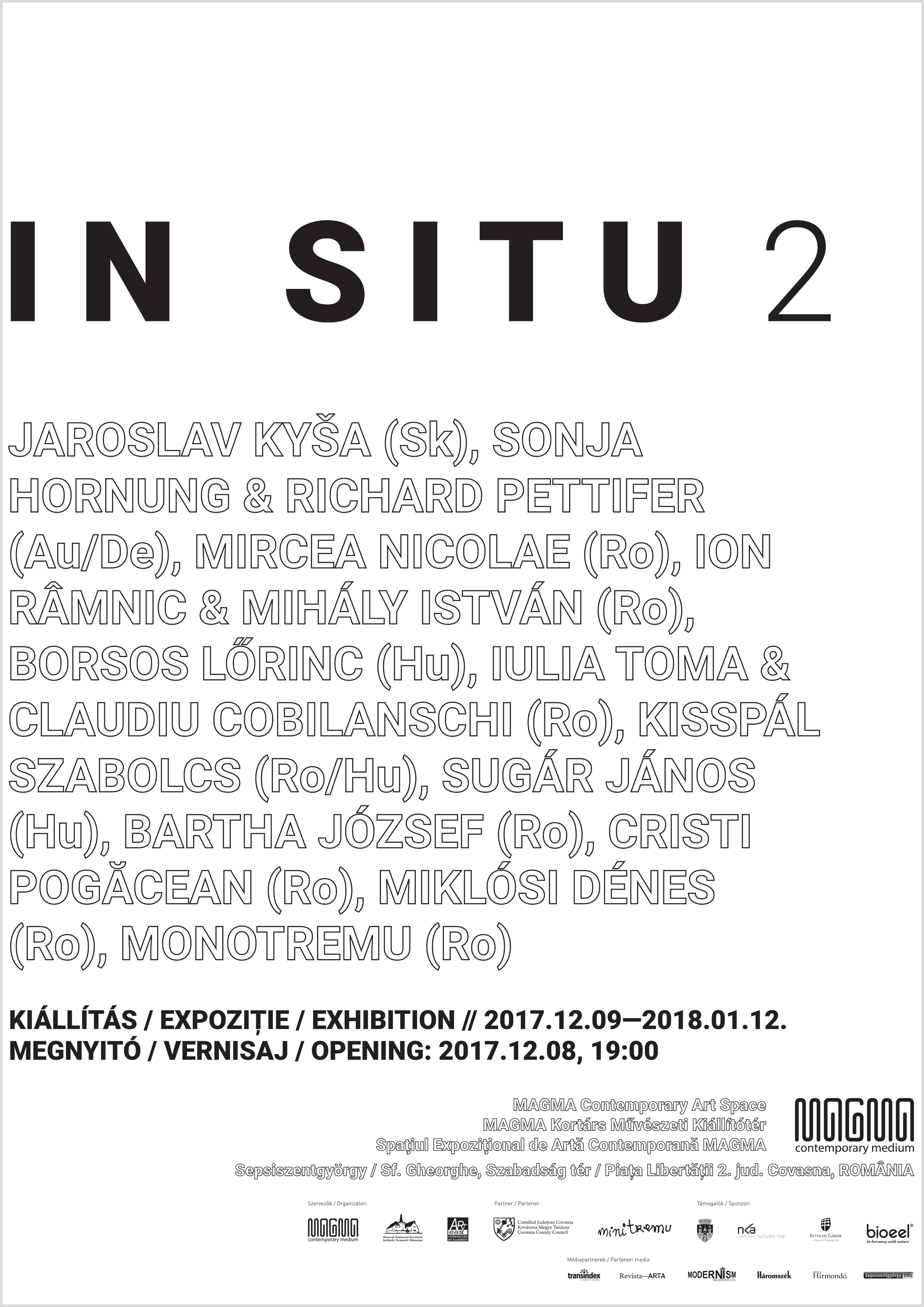
- Organizer(s): MAGMA Contemporary Medium Association, Székely National Museum, ARTeast Foundation
- |
- Partner(s): Covasna County Council, Minitremu Association
- |
- Sponsor(s): Municipality's Council of Sfântu Gheorghe, NKA - The National Cultural Fund of Hungary, Bethlen Gábor Found, bioeel
- |
- Media Partner(s): transindex, Revista Arta, modernism.ro, Háromszék, Székely Hírmondó, Sepsiszentgyörgy Info